
 By
By 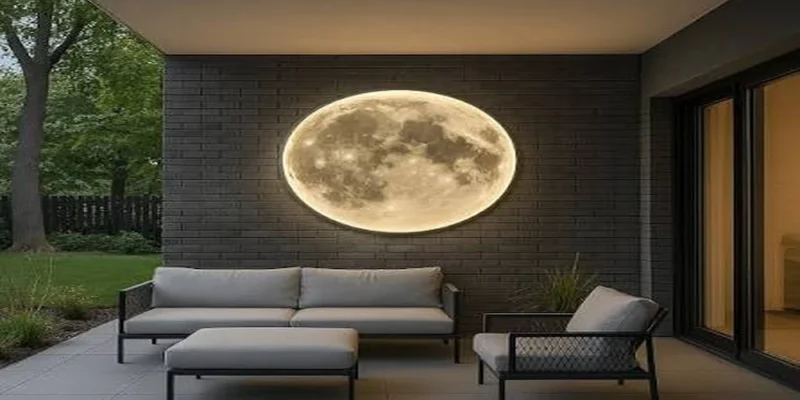
What Moon Wall Lights Are and What They Do
Moon wall lights are a specific ambient lighting category – fixtures designed to produce a soft, diffused glow that changes the atmosphere of a room rather than providing directed task illumination. They work by distributing light broadly from a wall-mounted position, creating a warm backdrop that alters the room’s character without the focused output of overhead fixtures.
The moon light aesthetic has become particularly associated with bedrooms and nurseries, where the soft, directionless quality of the light supports the intended use. At typical operating wattages, the glow is sufficient for nighttime navigation and ambient atmosphere without the stimulus that brighter lights provide. The fixture operates as part of the room’s sleep environment rather than as a contradiction to it.
The form factor matters as much as the light quality for fixtures marketed as moon lights. The round, diffused globe or disc shape references the visual quality of moonlight – indirect, soft, casting no hard shadows – in a way that other diffused fixtures do not. This aesthetic coherence between the form and the light quality is part of what has made the category distinctive.
Where They Work Best
Moon wall light installations work most effectively in spaces where ambient atmosphere matters more than illumination adequacy: bedrooms, nurseries, meditation spaces, and reading rooms where the fixture supplements task lighting rather than providing it. As the sole light source in a room, a moon light is typically insufficient for activities requiring visual clarity; paired with a reading lamp or bedside light, it creates the layered ambient quality that makes the room feel considered.
Plug-in versus hardwired moon lights affect installation flexibility significantly. Plug-in versions can go anywhere the wall has an accessible outlet, providing placement flexibility that hardwired fixtures do not. The visible cord is the trade-off; cord covers that route the cord neatly to the outlet reduce the visibility of this compromise.
Dimmability adds the functional range that makes moon lights genuinely versatile. At full brightness, the fixture provides enough light for bedtime reading or getting ready in low light. At minimum, it provides the nightlight function that allows navigation without full illumination. Confirming that the specific fixture supports dimming – and that the dimmer type used is compatible with it – unlocks this range.
Energy Star efficiency ratings apply to the LED elements within moon lights as to other fixture types, confirming that the warm light output the fixture produces meets independently verified efficiency standards.
Integration with Sleep Environments
The use of warm-spectrum lighting in the two hours before sleep is supported by research on circadian rhythm and melatonin production. Warm color temperatures (2700K and below) produce less melatonin-suppressing blue light than neutral or cool temperatures. Moon lights in this color range contribute to a sleep-supportive environment rather than working against it.
The timer function available on some moon light models – scheduling the fixture to dim or turn off automatically after a set period – supports sleep onset by removing the light without requiring a manual action that can disrupt the sleep transition. For children’s rooms and adult bedrooms where the fixture is used as a sleep transition aid, this automation function has practical value beyond convenience.












Comments