
 By
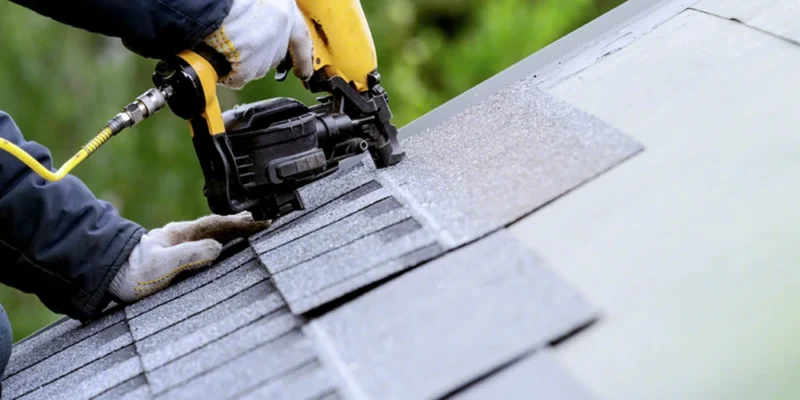
Solar panels are built to last for decades, which makes the roof underneath them one of the most important parts of the whole project. A tired roof under a brand new solar array is a recipe for expensive surprises. A trusted roofing company in Simpsonville can tell you that the best time to deal with your roof is before the panels go up, not after. This guide breaks the question down by roof age, so you can see where your home fits and what to do next.
Why the Roof Comes First
Putting panels on a roof is a long-term commitment. If the roof under them needs repair or replacement later, the panels may have to be removed and reinstalled, which adds cost and downtime. That is why roofing and solar planning belong in the same conversation.
Three questions drive the decision:
- How old is the roof, and what is its condition?
- How much life does it have left compared with the panels you plan to install?
- Can the structure safely carry the added weight?
First, Find Out Your Roof’s Age
You cannot plan without knowing how old the roof is. If you have paperwork from the installation, start there. If not, the U.S. Department of Energy offers a practical tip in its step-by-step guide for consumers going solar: if you do not know and cannot ask the previous homeowners, your local government should have a record of when it issued the building permit. Once you know the age, check for visible wear:
- Curled, cracked, or missing shingles
- Bald spots where granules have worn away
- Sagging areas or soft spots
- Stains on ceilings or in the attic
- Rusted or loose flashing around chimneys and vents
Scenario One: A Newer Roof in Good Shape
Typical situation: The roof is only a few years old, shows no damage, and has many years of service left.
What to do:
- Get a roof inspection anyway, so you have a baseline before any installation work.
- Ask your roofer to confirm the condition of flashing, vents, and decking.
- Ask whether the roofing material and your warranty allow for solar attachments, and how penetrations should be sealed.
- Keep paperwork from both the roofer and the solar installer in one place.
A newer roof is the ideal starting point. Panels can go on with confidence, as long as the work is coordinated and every penetration is properly sealed.
Scenario Two: A Middle-Aged Roof with Years Left
Typical situation: The roof is somewhere in the middle of its life. It looks acceptable but is not new, and you are unsure whether it will outlast the panels.
What to do:
- Ask a qualified roofer for an honest estimate of the remaining lifespan.
- Compare that timeline with how long you expect to own the home and keep the panels.
- Consider replacing the roof at the same time as the solar installation. The Department of Energy notes that it can often save money to install solar at the same time as a roof replacement.
- If you decide to keep the roof, repair any weak spots first and plan for the possibility that panels may need to come off for future work.
This is the situation where the timing question matters most, and where a professional opinion pays for itself.
Scenario Three: An Older Roof Near the End of Its Life
Typical situation: The roof is old, has had repairs, or shows clear signs of aging.
What to do:
- Replace the roof before installing panels. It is the simplest way to avoid paying twice.
- Take the opportunity to upgrade underlayment, flashing, and ventilation while the roof is open.
- Ask your roofer to coordinate the schedule with your solar installer so the new roof is finished and inspected before panels arrive.
- Choose a roofing material you are happy with for the long run, since it will be under the panels for many years.
A roof that is already struggling should not be asked to carry extra weight. Fix the foundation first, then build on top of it.
Can the Roof Carry the Weight?
Panels, racking, and wiring add load to the structure. The Department of Energy advises that a solar installer, roofing expert, or structural engineer can help determine your roof’s solar suitability. In practice, a professional will usually look at:
- The condition and spacing of rafters or trusses
- The thickness and soundness of the roof deck
- Any past damage from leaks, rot, or pests
- The type and condition of the roofing material
- The layout of vents, skylights, and chimneys that may limit panel placement
If the structure shows weakness, repairs may be needed before any equipment goes up.
Beyond the Roof: Other Things That Affect Solar Success
The condition of your roof is only part of the picture. According to the Department of Energy, your home’s solar potential also depends on your geographic location, the position of your home in relation to the sun, how much shade you have, and the system you and your installer choose. Online mapping tools can give a rough idea, but a detailed evaluation from an installer is more reliable.
It also helps to reduce your energy use first. The same guide suggests a home energy audit to see whether energy-saving improvements could help you get the most out of your system. A well-sealed, well-insulated home may need a smaller, less expensive array.
Questions to Ask Your Roofer Before Solar
- How many years of service does my roof have left?
- Is the roof strong enough to carry panels, and what is that based on?
- Should I replace the roof now, or is a repair enough?
- How will penetrations for racking be flashed and sealed?
- Does my roofing warranty stay in effect if panels are installed?
- Can you work with my solar installer on scheduling?
- What will it cost to remove and reinstall panels if the roof needs work later?
Questions to Ask Your Solar Installer
- Have you inspected the roof, and what did you find?
- How will the system attach to the roof, and who is responsible for leaks?
- What happens to the warranty if the roof needs work?
- Are you licensed and certified, and can you provide references?
The Department of Energy recommends choosing a licensed installer certified by a reputable organization and comparing several installers by having them assess your roof. Get everything in writing, and make sure you understand the contract terms before you sign.
A Simple Timeline to Follow
- Inspect the roof. Learn its age and condition.
- Decide on repair, replacement, or no work. Base the choice on the scenarios above.
- Complete any roof work first. Finish and inspect it before solar equipment arrives.
- Choose a solar installer. Compare more than one estimate.
- Obtain permits and inspections. Your installer usually handles the paperwork, and approval times vary by area.
- Schedule installation. Confirm the roofer and installer have shared plans.
- Plan ongoing care. Keep gutters clear and schedule roof checkups after major storms.
Final Thoughts
Going solar is a smart project when the roof beneath it is ready. Learn your roof’s age, match its remaining life to the panels you want, and settle roofing questions before the equipment goes up. A little planning at the start can save you from tearing things apart later, and it lets your system do what it was meant to do: produce clean power for years without a roofing headache.









Comments