
 By
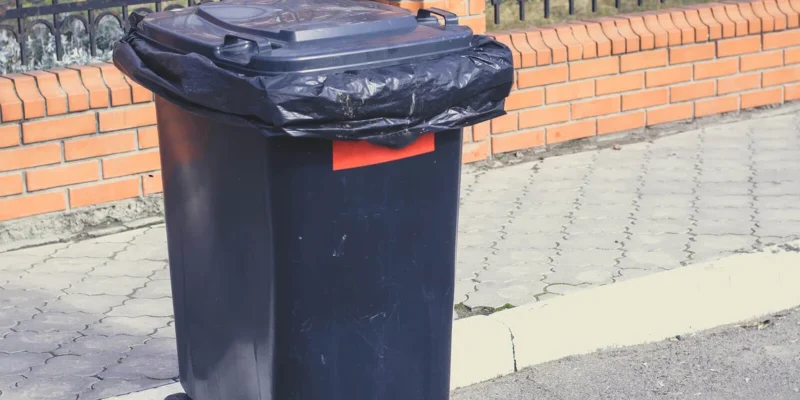
Knowing what belongs in the general waste bin is crucial for our planet’s health. Many people mistakenly toss items that harm the environment and health. Mis-sorted rubbish disrupts recycling and increases pollution and landfill issues. By understanding where things go, we can all help reduce waste problems. This knowledge empowers us to make better choices, keeping the world healthier for everyone.
Common Items in General Waste
Every day, we deal with stuff that just ends up in the rubbish. Knowing what should go where is super important for better waste management and helping the environment. Things like cling film and some food wrappers can’t be recycled easily, so they usually go in the general waste. Broken things like mugs and old clothes get tossed there too because fixing or recycling them is tough. Leftover food and veggies are often thrown into general waste, even though composting is better. But not everyone can compost, so using the general waste is sometimes the only option. By sorting our rubbish properly, we keep recyclables clean, making the collection process easier and helping keep our planet healthier. So, even small efforts like separating our trash can really make a difference.
Hazardous Materials to Keep Out of General Waste
When you’re chucking stuff out, some things need special care. Things like batteries, chemicals, and medical waste can be really dangerous if they’re not dealt with the right way. Throwing them in with normal rubbish can cause big problems for the environment and our health.
Dangerous Consequences of Improper Disposal
– Batteries: They’ve got nasty stuff like lead and mercury in them. If you just toss them, they can mess up the soil and water, which is bad news for animals and us.
– Chemicals: Stuff like cleaners, paints, and solvents let out harmful bits that can ruin air and water.
– Medical Waste: Things like needles, out-of-date meds, and bandages can spread germs or tough bacteria if not binned properly.
Getting rid of these materials the right way is super important for keeping nature and people safe. Lots of local councils have tips and places where you can safely ditch this stuff, making it easier to be eco-friendly. Being careful with waste helps keep everyone healthy and the planet thriving for the next lot of folks.
Large Items and Special Arrangements
Getting rid of big stuff like furniture or appliances takes a bit of thought. Unlike your everyday rubbish, these massive items can’t just be thrown out with the bins because of their size and what they’re made of. In the UK, local councils and waste services usually have special instructions to help you dispose of them in an eco-friendly way.
– Contact Local Services: Hit up your local waste collection folks to check their rules for big item pick-ups. Some might have set days for collecting large stuff, or they might tell you where you can drop it off.
– Consider Reuse or Donation: Before chucking it, see if it can be reused or donated. Charities often love taking in furniture and working appliances, so your old stuff can find a new home.
– Hire Professional Removals: If the stuff is too heavy or awkward to deal with on your own, think about hiring a professional removal service. They know how to handle it safely and might even recycle or donate what they can.
Getting rid of big items the right way helps keep waste under control and supports efforts to cut down on landfill use.
Implications of Improper Disposal
Ignoring how to get rid of waste properly can mess things up for everyone. If we don’t handle waste right, it can harm the environment and make people sick, which isn’t great for anyone. Knowing what can happen might help us all deal with waste better.
Consequences of Not Following Waste Regulations
– Monetary Fines: Not tossing out waste the way we’re supposed to can get us fined by local councils. Sticking to the rules saves money and keeps the place cleaner.
– Rising Council Tax: If we’re not careful with waste, it can cost councils more, and they might raise taxes. Managing waste properly helps keep these costs down.
– Legal Consequences: Constantly breaking waste rules or dumping dangerous stuff can get us into legal trouble, which is a hassle and expensive. Following the rules keeps us all on the right side of the law.
Alternatives to General Waste Disposal
Finding smart ways to handle waste is super important for keeping our planet clean. We can all play a part in making the Earth healthier.
Recycling Centers
Recycling centers are great places to drop off stuff like paper, glass, and some plastics. Lots of areas have easy-to-get-to spots where these materials get turned into new things. Check out your local council’s website to find nearby recycling centers and see what they take.
Donation Options
Giving away things like clothes, furniture, or gadgets helps people in need and keeps stuff out of landfills. Charities and second-hand shops love getting these donations. It’s a win-win for the community and the planet.
Specialized Waste Collection Services
For tricky stuff like electronics, paint, or big appliances, there are special services that can help. Just get in touch with your local waste folks to see what’s on offer. These services make sure hazardous waste is handled safely, which is awesome for the environment.
Trying out these options makes waste management better and cuts down on landfill use, helping us move towards a greener future.
Reducing Waste at the Source
Cutting down on waste starts with thinking about what we buy and how we throw things away. Using reusable stuff is a great and easy way to do this. Try using cloth bags instead of plastic ones, and get yourself a good water bottle so you won’t need disposable ones. Also, buy things with less packaging or those in recycled materials to really cut back on waste at home.
Thinking carefully before buying new things helps too. Ask yourself if you really need it and how long it will last. Going for sturdy items instead of the cheap ones means you won’t have to replace them as often, which means less waste.
Composting is another awesome idea. It turns food scraps into great soil. Even if you live in the city, you can have a small compost bin on your balcony or garden. Doing these things not only cuts down on your environmental impact but also helps make the planet healthier. It’s all about making small changes for a cleaner, greener world.
Conclusion
Getting the hang of waste disposal is super important for keeping our planet healthy. When you sort your rubbish right, you keep dangerous stuff out of landfills and make recycling work better, which is a win for the environment. Following local rules not only saves you from fines but also helps our communities thrive. Try to recycle more, donate things you don’t need, and cut down on waste from the start. By staying informed and taking action, you’re helping to make the world a cleaner, healthier place. Keep up with local rules and make smart waste habits part of your everyday life!






Comments