
 By
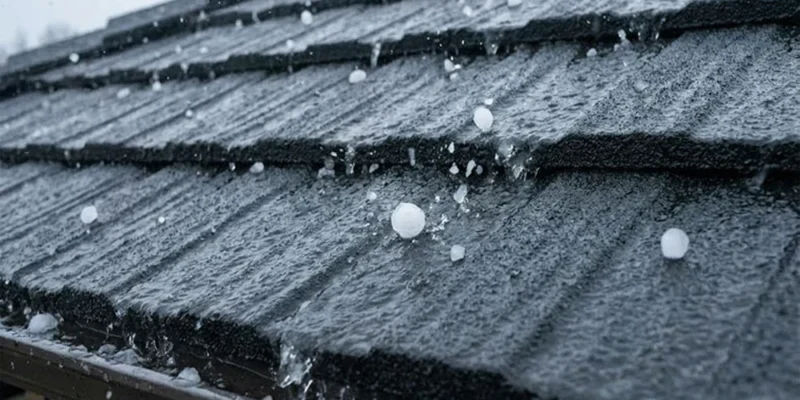
A spring storm rolls across the Hill Country, and within ten minutes the street sounds like a gravel truck emptied onto it. By evening, neighbors are on ladders, insurance apps are open, and the same question comes up in every driveway: would a tougher roof have made a difference?
Over the past decade, the answer has started to revolve around a single number. Shingle bundles, metal panel brochures and insurance quotes now mention impact classes, and “Class 4” has become shorthand for a roof that can take a beating. The label is useful, but it covers less ground than most homeowners assume.
That gap shows up often during inspections across Austin and the surrounding suburbs. Crews from Stanley Built Roofing LLC, a family-run contractor that installs Class 3 and Class 4 shingles along with standing seam metal, regularly find homes where the rating on the field shingles was strong but the damage came through a cracked vent cap, a dented flashing joint or a skylight dome. Knowing what a rating measures, and what it skips, helps you decide what to ask for before the next storm season.
What the Class Number Actually Measures
Most impact ratings in the United States come from UL 2218, a lab test that drops steel balls onto roofing samples. The smallest ball, 1.25 inches across, sets the Class 1 bar. The largest, 2 inches across, is dropped twice on the same spot from roughly 20 feet. A product earns Class 4 if the covering shows no cracks or ruptures afterward.
The Texas Department of Insurance explains that qualifying roofing materials are grouped into Classes 1 through 4, with Class 4 receiving the highest premium credit, though each insurer sets its own discount amount and paperwork requirements.
Here is the catch. A steel ball hitting a flat sample in a lab at room temperature is a repeatable test, which is exactly why it exists. Real hail is ice, often jagged, sometimes driven sideways by 60 mph gusts, and it lands on shingles that have spent years baking under Texas sun. The test tells you how a product compares to others under identical conditions. It does not promise how your roof will behave on a particular afternoon.
Why Two Class 4 Products Can Age So Differently
Manufacturers reach Class 4 in different ways. Some blend SBS polymer, a rubber-like modifier, into the asphalt so the shingle flexes when struck. Others rely on a reinforced mat or a heavier construction that resists cracking through stiffness.
That difference matters more in Central Texas than in cooler states. Attic temperatures in July can push roof surface temperatures far past what a lab sample sees, and asphalt gradually loses flexibility as its oils cook off. A shingle that bends on day one may behave more like a cracker in year twelve. Insurance-funded researchers have reported wide performance gaps among products carrying the same Class 4 label once aging is factored in, which is why the brand and product line deserve as much attention as the rating itself.
Granule loss is the other quiet factor in aging. Each hailstorm can knock loose some of the mineral coating that shields asphalt from UV light. The shingle may pass a visual inspection right after a storm, yet that exposed spot ages faster in the following summers.
The Paperwork That Turns a Rating Into Savings
A Class 4 roof only lowers your premium if your insurer can verify it. Before the crew leaves, make sure you collect:
- Photos of the bundle wrappers showing the UL class, manufacturer name, brand and year of manufacture
- The completed TDI form PC068, the Impact-Resistant Roofing Installation Form, signed by the contractor
- Any separate verification form your own insurance company requires
- A copy of the invoice listing the exact product line installed
Homeowners covered by the Texas Windstorm Insurance Association along the coast need the PC068 form to receive TWIA’s credit. Inland carriers may accept it or ask for their own version, so a quick call to your agent before installation saves a scramble later.
Read the Cosmetic Damage Clause Twice
Many Texas homeowners discover this one after a storm. Some policies now include cosmetic damage exclusions, especially for metal roofs and impact-resistant shingles. If hail dents a panel or scuffs a shingle but the roof still sheds water, the insurer may decline to pay.
There is a logic to it. Insurers offer the discount because these roofs are expected to stay functional through more storms. In exchange, they may stop paying for appearance. For a homeowner who plans to sell in three years, a dimpled metal roof could affect curb appeal. For someone staying twenty years, a lower premium every year may outweigh a few dents. Neither choice is wrong, but it should be a deliberate one.
Metal Roofs Play by Slightly Different Rules
Standing seam metal often carries a Class 4 rating, yet its failure mode differs from asphalt. Large hail rarely punctures a quality panel. It dents it. Thicker 24 gauge panels resist denting better than thinner 26 gauge sheets, and textured or matte finishes hide minor marks far better than smooth, glossy ones.
Metal also handles Texas heat well. It does not lose flexibility the way asphalt does, and lighter finishes reflect a meaningful share of solar energy, which can ease the load on an attic and air conditioner during long summers.
The Weak Links Nobody Rates
The rating applies to the main roof covering, not the system around it. Plastic turtle vents, ridge vent caps, pipe boots, satellite mounts, skylight domes and aluminum gutters all sit in the same storm with no impact class attached. After a heavy hail event, a cracked vent cap can let in more water than a hundred bruised shingles.
Asking about these details turns a good roof into a resilient one. Metal vent covers instead of plastic, UV-rated pipe boots, sturdier flashing and quality synthetic underlayment beneath the shingles all add protection the rating never measures.
Weighing the Upgrade
Impact-rated materials usually cost more than standard architectural shingles, and the payback depends on your premium, your insurer’s discount, roof size and how long you plan to stay. In hail-heavy parts of Texas, the math often works within several years, especially when you factor in fewer claims and smaller deductibles over time.
The smartest approach treats the Class number as a starting point. Pair it with a product known to age well in heat, keep your installation paperwork organized, understand your policy’s cosmetic language and pay attention to every component on the roof, not just the shingles. That combination, more than any single label, is what keeps a Central Texas home dry when the next storm turns the sky green.








Comments