
 By
By 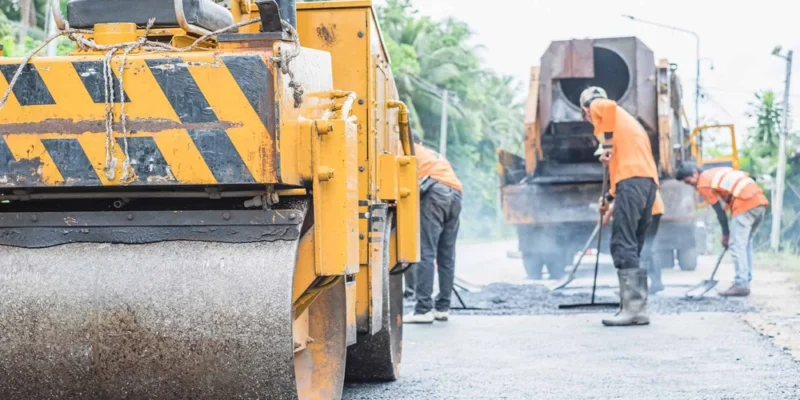
One of the most efficient methods to improve the appearance of a worn or damaged asphalt surface is resurfacing. Resurfacing can be done on any type of pavement, from residential driveways to commercial parking lots and roadways, enhancing how it looks and performs, as well as extending its life. The timeline from the beginning of the milling process to the end of the striping is a question that many property owners ask. Most resurfacing projects take a few days, depending on the project size, weather conditions, traffic needs, etc.
Before any work begins, it’s helpful to understand Long Asphalt Resurfacing Take Milling projects are influenced by several factors beyond the paving itself. The size of the surface, the condition of the existing pavement, weather conditions, crew availability, and traffic management requirements all play a role in determining how quickly each phase can be completed. While smaller residential driveways often move through the process with minimal delays, larger commercial properties or municipal roadways may require additional preparation and scheduling to ensure a durable, high-quality finish that minimizes disruption.
- Step 1: the current asphalt road surface is milled.
The resurfacing process first starts with milling – a process in which special equipment is used to remove the top layer of asphalt that has become rough. This action provides an even and smooth surface for the subsequent asphalt layer to bond to. Milling eliminates cracks, ruts and uneven pieces without affecting the stable foundation below. Milling can be done in a few hours for shorter driveways. For larger commercial parking lots or roads, it may take the entire day or longer, depending on the surface area and equipment used.
- Step 2: surface cleaning and preparation.
After milling, crews carefully clean the surface to clear away dust and loose debris and any stubborn asphalt particles. Repairing any damaged areas in the base is done prior to resurfacing. A tack coat (a bonding agent between the old and new asphalt) is then laid down. This preparation process is crucial as it guarantees the newly applied asphalt will be securely bonded and provide lasting durability. The surface treatment usually requires a few hours and can be performed the same day when the surface is milled.
- Step 3: installing the New Asphalt Layer.
Once the surface is prepared, hot mix asphalt is applied using a paving machine and compacted with rollers to create a smooth and durable surface. Good compaction will eliminate air voids and compact the pavement to a stronger state, thus minimising the potential for future cracking. Generally, paving will take only one day for most residential projects. More complex or large-scale commercial or municipal projects may take more time.
- Step 4: Curing before opening to traffic.
Newly laid asphalt starts to cool off as soon as it is finished, but it must cool and cure for a period of time before it is suitable for normal traffic. Light foot traffic is usually permitted within hours; vehicles are usually permitted after 24-48 hours. If heavy commercial vehicles are used, a longer curing time may be necessary to avoid damage to the surface. Curing can be accelerated in warm, dry conditions and increased in cooler temperatures or during rain.
- Step 5: complete the project with the final striping.
After the asphalt is sufficiently cured, the contractors finish the project by applying pavement markings like parking lines, directional arrows, crosswalks and accessibility markings. The striping process is generally finished in one day, providing clear, long-lasting stripes that adhere to the pavement.
Typical Overall Timeline
Most asphalt resurfacing jobs take place in 2 to 5 days. Typically, residential driveways can be completed in 1-2 days, depending on the project size, curing needs and weather conditions; larger commercial projects may require several more days.





Comments