
 By
By 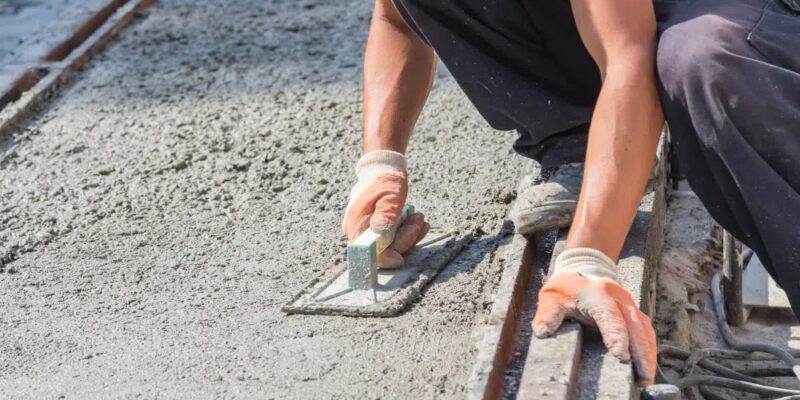
Cracked sidewalks, uneven driveways, decaying slabs and cracked concrete can quickly become more than just an eyesore. They can create safety hazards, let water get to other buildings, and lead to more expensive repairs if the original problem is not fixed. Whether you are maintaining a home property, rebuilding an apartment building or making improvements to a business location, choosing the right concrete contractor is a vital decision.
Quality concrete work is more than just pouring and finishing a surface. Successful projects involve good planning, site preparation, materials, workmanship, and attention to the factors impacting the property. Hiring an expert contractor may take some time but can assist assure that the finished work will perform effectively for years to come.
What Does a Concrete Contractor Do?
A professional concrete contractor handles a wide range of installation, replacement, and repair projects. This may include sidewalks, driveways, patios, steps, slabs, foundations, curbs, and other concrete structures.
Before starting the work, an experienced contractor should assess the condition of the existing concrete and surrounding area. Cracks, settlement, drainage problems, soil movement, and deterioration can all affect the success of a new installation.
Why is site preparation so critical?
Good concrete work begins underneath the surface. Poorly prepared bases can cause even good quality concrete to crack, slump or become uneven over time.
For example, if a sidewalk keeps cracking because water is accumulating under it. But taking out the damaged piece and installing new concrete may not be the answer. The contractor may have to fix the root problem by stabilizing the base and addressing the drainage first.
Such cautious preparation can make a huge difference in how long the completed product will last.
When Should You Work With a Masonry Contractor?
Concrete and masonry often go hand in hand, particularly on older buildings and properties where several exterior elements have experienced wear over time. A masonry contractor can work on brick, block, stone, retaining walls, steps, parapets, pointing, and other masonry components.
Why Do You Need to Coordinate Concrete and Masonry Repairs?
For example, supposing you had a home with a damaged brick wall next to a crumbling concrete walkway. Moisture problems could continue if the walkway is replaced without fixing the damaged stonework.
When the work is coordinated, the contractor can see the property as a whole, rather of seeing each issue as a separate repair. This aids in preventing re-occuring difficulties and provides a more consistent and long-lasting solution.
How To Select The Right Concrete Contractor?
Experience is crucial, but it should not be the only thing you consider. Ask the contractor how they plan to tackle your particular project before you hire them.
A good concrete contractor should be able to explain the anticipated work, including what will need to be torn out, how the base will be prepared, what materials will be utilized and how the finished surface will be preserved.
It is also useful to search for experience with similar projects to yours. A contractor with experience in both residential and commercial properties may be better at spotting concerns that aren’t immediately apparent.
Beware of contractors who tell you a quote without coming out to look at the job site and talk about the scope of work. It’s usually advisable to go with a complete assessment instead of just picking the lowest estimate.
Concrete Durability: Ways to Improve Concrete Durability
The longevity of concrete depends on several factors, including preparation, materials, drainage, reinforcement, installation techniques, and the conditions surrounding the structure.
Don’t Forget Drainage”
One of the most frequent problem sources around concrete and masonry is water. Erosion under slabs, settlement, cracking, discoloration and degradation can be caused by poor drainage.
Before work begins the contractor should review the movement of water over the land. Correcting drainage or grading might be just as critical as rebuilding the damaged concrete itself in some circumstances.
Addressing these difficulties in the project will help to protect the new installation and reduce future repairs.
Why Do We Need Code Compliance?
Depending on the type and location of a construction project, permits, inspections, building requirements and other laws may be required. If these conditions are not met, it might cause delays, additional expenses or even the necessity to repeat the finished job.
A seasoned concrete contractor may assist you identify needs that might impact the project and plan the work properly. If masonry repairs are also needed, collaborating with an experienced masonry contractor can make the process more organized and effective.
Proper planning also helps organize demolition, deliveries of materials, repairs, inspections, and finishing work, all while avoiding needless interruption to the property.
Focus on long-term value, not just the cheapest price
The cheapest quotation is not necessarily the greatest value when evaluating contractors. Shaving off time or money on preparation, materials, or workmanship may save a buck up front, but might lead to cracking, settling, or more repairs later.
Consider the whole picture of the project instead. Ask if the contractor has identified the origin of the existing problem, described the repair method, reviewed drainage, and factored in any related concrete or masonry difficulties.
The proper concrete contractor will have experience, thorough preparation, quality workmanship and practical project planning. When concrete and masonry projects are well coordinated, property owners can accomplish safer, more lasting and more appropriately designed enhancements for the long-term demands of the building.









Comments