
 By
By 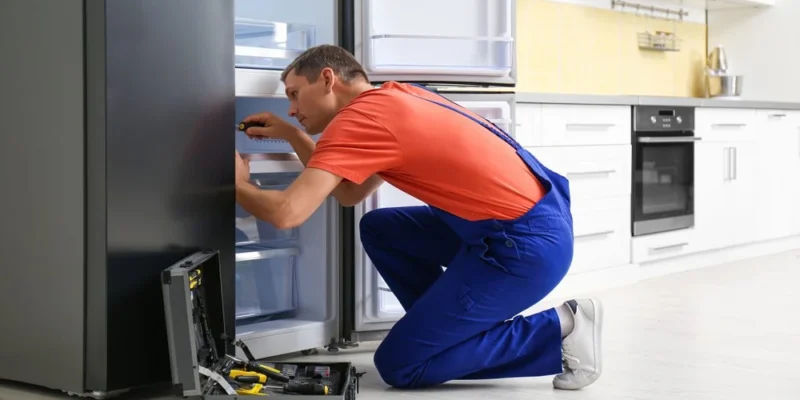
A refrigerator that seems to be running normally, motor humming, light on, can still be failing in ways that are easy to miss until food starts spoiling. Understanding what typically goes wrong before calling fridge repair services helps narrow down the likely cause and gives a technician a head start on diagnosis. Many of the faults below develop gradually, which means the fridge can look and sound almost normal right up until the point food actually starts to spoil.
Inconsistent Cooling and What Causes It
Uneven cooling, where some shelves stay cold while others do not, often points to a blocked air vent, a failing evaporator fan, or a door seal that is no longer forming a proper barrier. Because these causes look similar from the outside, a proper inspection rather than guesswork is needed to identify which one is actually responsible. Moving food away from air vents at the back of the fridge is a simple check worth trying first, since blocked airflow is one of the more common and easily fixed causes.
Unusual Noises and What They Typically Indicate
A buzzing or humming sound usually points to the compressor or condenser fan, while clicking often suggests the compressor is struggling to start. Rattling is more commonly a loose internal component rather than a functional fault, but should still be checked, since vibration can loosen connections over time. A sound that changes in pitch or grows noticeably louder over a period of days is generally more concerning than one that has stayed constant for a long time.
Door Seal Problems and Their Impact
A worn or damaged door seal lets warm air in continuously, forcing the compressor to run far more than necessary and driving up energy use while never quite reaching the set temperature. A simple seal test, closing the door on a piece of paper and checking if it slides out easily, can reveal this issue before it shows up as a full cooling failure. Seals typically wear gradually rather than failing all at once, so a slight looseness noticed early is worth acting on before it becomes a full leak.
When Frost Build-Up Signals a Problem
Excessive frost in the freezer compartment is often a sign of a failing defrost system or a door not sealing properly, rather than simply normal usage. Left unaddressed, frost build-up can restrict airflow further and accelerate cooling problems throughout the whole unit. Manually defrosting the unit provides only temporary relief if the underlying defrost heater or timer has failed, since the frost will simply return within days.
Water Leaks and Where They Usually Originate
Water pooling beneath or inside a fridge often traces back to a blocked defrost drain or a cracked drip tray, rather than a refrigerant issue, which is a common misconception. A technician offering proper diagnosis for refrigerator cooling and leak issues will check the drain path before assuming a more serious fault. Clearing a blocked drain is often a quick fix, but repeated blockages in the same spot can point to a design issue or debris source worth investigating further.
Compressor Issues and Repair Versus Replacement
Compressor failure is typically one of the more expensive repairs, and on an older unit it is often worth weighing repair cost against the value of a new appliance rather than automatically proceeding. A technician who presents this comparison honestly, rather than defaulting to repair regardless of age, is providing genuinely useful advice. Energy efficiency is also worth factoring in here, since a newer unit’s lower running cost can offset a meaningful part of the replacement price over several years.
Simple Checks Before Booking a Repair
Confirming the unit is level, the vents are not blocked by stored items, and the door seal is clean and making full contact can rule out several common causes before a technician even arrives. These checks take only a few minutes and sometimes resolve the issue without any repair being needed at all. Wiping down the seal and checking underneath the unit for anything obstructing airflow costs nothing and occasionally resolves the problem outright.
How to Extend a Fridge’s Working Life
Regular cleaning of the condenser coils, keeping the unit away from direct heat sources, and avoiding overpacking that restricts internal airflow all reduce strain on the compressor over time. These simple habits meaningfully extend how long a unit runs reliably before major repairs become necessary. Leaving reasonable gaps between stored items for air to circulate is one of the simplest and most overlooked ways to reduce ongoing strain on the compressor.
Energy Use as an Early Warning Sign
A noticeable rise in electricity use without any change in household habits is often the earliest sign of a struggling compressor or a seal no longer holding properly, appearing well before the fridge shows any obvious symptom. Tracking energy bills over time can flag a developing fault sooner than waiting for a visible or audible sign.
Getting the Right Help When Something Goes Wrong
Most fridge problems trace back to one of a handful of common causes, but pinpointing which one is responsible without proper diagnostic tools is difficult to do reliably from symptoms alone. Booking fridge repair services as soon as inconsistent cooling or unusual noise appears remains the most reliable way to catch a fault before food spoilage or a full breakdown occurs. Acting on the first noticeable change, rather than waiting to see if it worsens, is consistently the cheaper and less disruptive path.









Comments