
 By
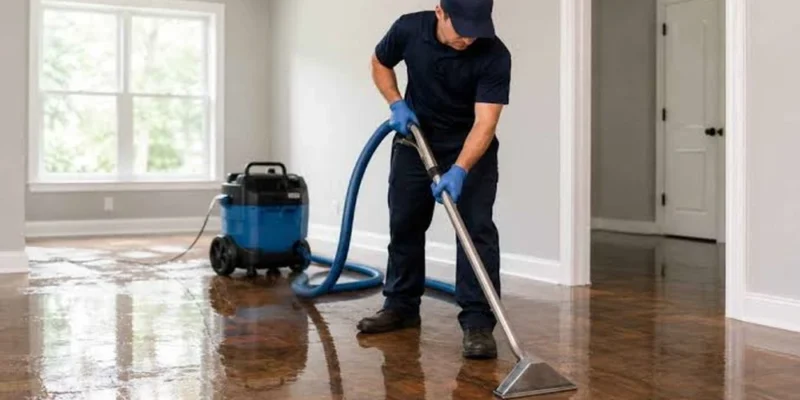
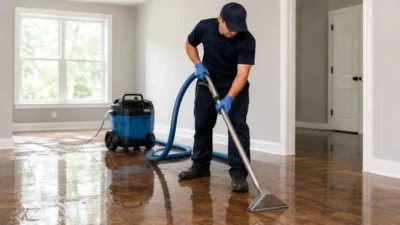
Water damage is a race between moisture and the clock. Building materials begin absorbing water within minutes, and the EPA advises drying water-damaged areas and belongings within 24 to 48 hours to prevent mold growth, as its mold cleanup guidance explains. For decades the routine was simple: pump out standing water, aim a few fans at the walls and check back in a few days. That habit persists, but professional standards have moved toward measurement, controlled conditions and written proof, and the difference shows up in repair costs, indoor air quality and insurance outcomes.
Property owners in South Florida feel that difference more than most, because humid air punishes careless drying quickly. Water Resto USA is based in Miami and answers emergency calls around the clock for homes and businesses across Miami-Dade, Broward and Palm Beach counties, including Brickell, Doral, Kendall, Hollywood, Fort Lauderdale, Boca Raton and West Palm Beach. Its IICRC certified crews handle water, fire and smoke, mold, sewage, storm and flood losses, plumbing emergencies, leak detection and monitoring, biohazard and crime scene cleanup, and the reconstruction that follows, and they bill insurers directly. Call 954-515-9338 to schedule a free inspection before moisture settles into the structure.
Sizing Up the Water Before Anything Moves
Old way: Judge the damage by eye and by touch. A soggy carpet and a ceiling stain become a rough guess about where the water went.
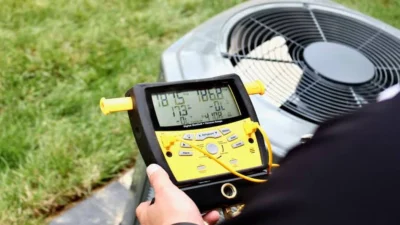
New way: Classify the loss first. The ANSI/IICRC S500 standard covers inspections, preliminary determinations and pre-restoration evaluations for residential, commercial and institutional buildings, and most professional crews work from it. Technicians assign a category for contamination (clean supply water through grossly contaminated water) and a class for how much wet, absorbent material is involved. Moisture meters and thermal imaging then chart the wet zones so nothing is left to imagination. Storm and flood intrusion is generally treated as the most contaminated category, which changes what can be saved.
Treating the Air as Part of the Problem
Old way: Open the windows and run box fans. That works in dry climates and backfires where outdoor air holds more moisture than the room.
New way: Build a closed drying environment. Doors and windows stay shut, refrigerant or desiccant dehumidifiers pull vapor out, and air movers are placed according to the amount of wet surface. Technicians record humidity ratio in grains per pound each day to confirm the air is actually drawing water from the materials. Summer dew points in Miami often sit in the mid 70s Fahrenheit, so open-air drying can add moisture instead of removing it.
Deciding What Stays and What Goes
Old way: Cut every wall two feet up, pull all flooring and haul it away, because demolition feels decisive.
New way: Remove only what the water category and material type demand. Wet carpet pad, insulation and drywall touched by contaminated water come out. Clean-water intrusions into solid wood, tile subfloors and many wall assemblies can often be dried in place, using wall cavity drying or injection methods. Targeted removal keeps repair scope smaller and speeds up the rebuild.
The Two Methods at a Glance
| Decision point | Old way | New way | Why it matters |
|---|---|---|---|
| Finding wet areas | Visual and touch | Meters and thermal imaging | Hidden moisture is mapped |
| Air handling | Open windows, loose fans | Closed system with dehumidifiers | Humid outdoor air stays out |
| Wall cavities | Cut or ignore | Dry in place or open selectively | Less demolition, fewer misses |
| Ending the job | Fixed number of days | Readings match a dry standard | Mold risk drops |
| Records | Few or none | Daily logs and photos | Supports claim review |
Proving the Job Is Done
Old way: Pick up the equipment after three days because that is the usual number.
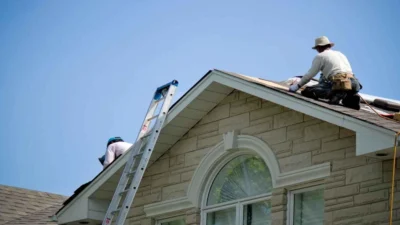
New way: Stop only when readings match a dry standard taken from unaffected materials in the same building, with daily logs to prove it. That paperwork gives adjusters and owners something concrete to rely on. If mold appears anyway, the rules tighten. Florida’s mold-related services licensing program, run by the Department of Business and Professional Regulation, covers assessors and remediators separately, and a license is required when the work involves more than 10 square feet of mold or mold-contaminated material that was not intentionally grown there. ANSI/IICRC S520 is the procedural standard for remediating mold damaged structures and contents. Rebuilding adds another layer. Miami-Dade and Broward sit in the High Velocity Hurricane Zone of the Florida Building Code, so roofing, window and structural repairs need permits and approved products.
Catching Leaks Before They Become Losses
Old way: Wait for a stain, a musty smell or an alarming water bill.
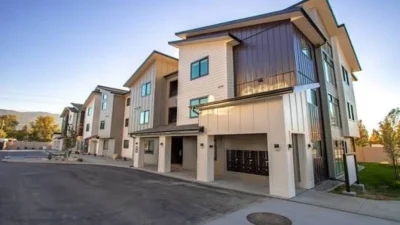
New way: Use acoustic and thermal leak detection to locate hidden pipe failures without opening walls, then add continuous monitoring. Flow and moisture sensors alert a phone and can close a valve automatically. This matters in older South Florida homes with aging cast iron drain lines and in condo buildings where one failed stack can soak several units before anyone notices.






Comments