
 By
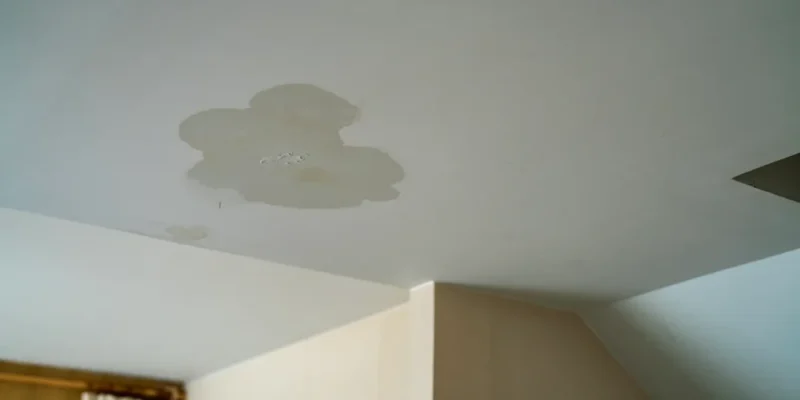
A brown ring on the ceiling tends to show up at the worst time, usually the morning after a hard rain. Most people look straight up and guess the hole is right above the stain. Usually it isn’t. Water that gets past shingles can run along the decking, follow rafters and slide across the top of drywall before it finally soaks through. The stain marks where the water came out, not where it got in.
That’s why a leak that looks small can turn out to be bigger than it seems. By the time the drywall shows a mark, the water may have been wetting insulation, framing and decking for weeks. In a warm, humid climate, damp wood and insulation don’t dry out easily on their own.
Contractors who handle Houston Area roof repair often say the real job is the detective work done before any shingle comes off. Short, heavy storms followed by long stretches of muggy heat create a pattern that’s hard to spot. A slow leak might show up only when wind pushes rain from one direction, then go quiet for a month. Finding it means following the water backward from the stain.
Why Water Wanders Before It Drips
Roofs are built in overlapping layers, and water follows gravity plus whatever path gives it the least resistance. Once rain gets past the top layer, it can run under the shingle, along the underlayment, and down a rafter several feet before it reaches the ceiling.
Roof slope shapes that path. On a steep roof, water moves quickly toward the eaves, so the stain often shows up well downslope from the entry point. On a lower slope, water spreads sideways and can show up in a strange spot, like near an interior wall that’s nowhere near a roof penetration.
Insulation hides things further. Blown-in insulation can soak up a surprising amount of water before any drips through. That’s why homeowners sometimes find a soggy patch in the attic much larger than the stain below.
The Usual Suspects on Most Roofs
Field shingles are rarely the main problem. Most leaks start where the roof surface is interrupted:
Pipe boots. The rubber collars around plumbing vents crack in strong sun, often well before the shingles around them wear out. A split boot lets water run straight down the pipe into the attic.
Chimney and wall flashing. Where a roof meets brick or siding, metal flashing has to be layered so water sheds outward. Gaps in the step flashing, loose counterflashing or dried-out sealant often cause leaks that only show up in wind-driven rain.
Valleys. Where two roof planes meet, the valley carries a lot of water. Debris buildup, bad cuts or worn metal can push water sideways under the shingles.
Exposed nail heads and lifted tabs. Nails backing out from heat cycles, or tabs loosened by gusts, open small paths that widen over time.
Skylights and vents. Skylight curbs, box vents and ridge vents all rely on careful sealing. When those details fail, the water often shows up some distance away.
Following the Trail From Inside
Before calling anyone, a homeowner can gather useful clues without climbing onto the roof. Safety comes first. Walking on a wet or steep roof is dangerous, so stay in the attic or on the ground.
- Note when the stain grows. Every rain, or only during storms from one direction?
- With a flashlight, go into the attic above the stain and look for dark streaks on the underside of the decking or along rafters.
- Follow any wet trail uphill, toward the ridge, until it ends. That end point is usually close to the entry.
- Look for daylight around pipes, vents and chimneys during the day.
- Take photos of everything you find, with a coin or tape measure for scale.
These notes save a lot of time. A roofer who knows the leak only appears with southeast winds will check different places than one who’s told the ceiling drips all the time.
Why Moisture Is the Real Clock
The stain itself is cosmetic. The moisture behind it isn’t. Wet insulation loses much of its value, damp decking softens over time, and mold can grow fast in a warm attic. According to the Environmental Protection Agency’s guide to mold and moisture, water-damaged materials should be dried within a day or two to keep mold from taking hold. That short window is the main reason a “minor” stain is worth dealing with quickly instead of painting over it.
Once the leak is stopped, the drying work counts as much as the repair. Wet insulation is usually pulled out and replaced rather than left to dry in place. Stained drywall can often be sealed and repainted after it’s fully dry. If it sags or feels soft, it needs to be replaced.
Matching the Repair to the Source
A good repair goes after the cause, not the symptom. Smearing roof cement over the spot that looks suspicious is a common shortcut. It often fails within a season or two because heat breaks down the patch, or because it was never the real entry point.
Lasting repairs usually look more like rebuilding a small piece of the roof correctly. A cracked pipe boot gets swapped for a new collar, with the shingles around it reset. Failing step flashing gets pulled and replaced one piece at a time so each layer laps the right way. A worn valley may need new underlayment and metal before the shingles go back on. When the damage has spread to the decking, the soft boards get cut out and replaced so new materials have a solid base.
Sometimes the inspection turns up something bigger, like brittle shingles across a whole slope or several failing details at once. Then the conversation moves from repair toward partial or full replacement. That decision depends on the roof’s age, its overall condition and how many problem spots turned up. One stain alone doesn’t decide it.
Paying attention early keeps the bill small. A homeowner who notices a faint ring, checks the attic and has the entry point fixed while the damage is contained will usually spend far less than someone who waits until the ceiling sags.








Comments