
 By
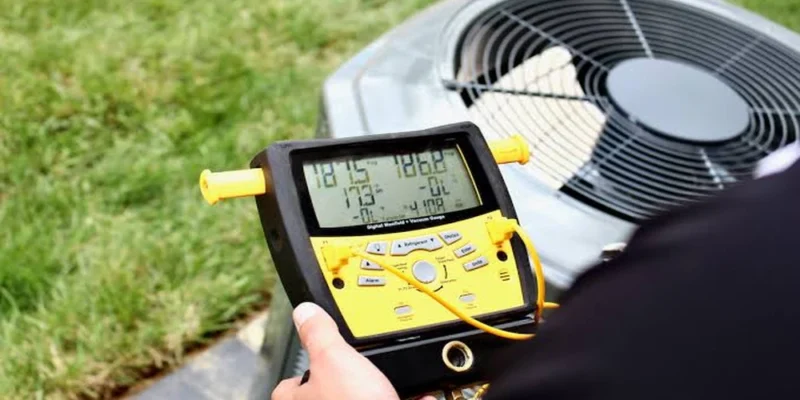
On a muggy Gulf Coast afternoon, the air conditioner in a typical home is doing two jobs at once. It cools the air, and it wrings water out of it. That water has to go somewhere, and the path it takes runs straight through territory most people think of as plumbing. The gas line and water heater that often share a closet with the air handler live along this border too.
Homeowners along the Florida Panhandle tend to find that their costliest headaches begin exactly at that border, which is why Merckle Plumbing built its Freeport business around one owner holding both the plumbing and mechanical licenses. Noah Merckle started the company in 2022 with a repair first approach, and the problems his crews see most often are the ones that slip between trades, like a condensate line backing up into a hall closet or a water heater venting into the same space as the air handler.
Gallons of Water Nobody Plans For
As warm, damp air crosses the evaporator coil, moisture condenses on the cold metal, drips into a pan and leaves through a small PVC line. Along the Gulf, where humidity stays high most of the year, a running system can pull several gallons a day out of the house air. UF/IFAS Extension describes the air conditioner as a dehumidifier as much as a cooler and suggests keeping indoor humidity around 55 percent or lower, with clean condensate lines listed among the basic habits that make that possible.
Slime, Sag and a Switch Worth Every Penny
The inside of a condensate line is dark, warm and always wet. Algae and bacterial slime thrive there, mixing with dust that slips past a tired air filter. The film thickens until water backs into the pan, and any sag in the line becomes a small pond where gunk settles.
The warning signs usually arrive before the flood does.
- Water dripping from a pipe above a window or door frame, which is often the secondary drain announcing that the primary one is blocked
- A system that shuts itself off and restarts hours later
- A musty smell near the air handler or the supply vents
- Gurgling at the indoor unit or standing water in the pan beneath it
That surprise shutdown typically comes from a float switch, a cheap sensor that kills the system when water rises too high. Adding a switch, along with a cleanout tee where the line leaves the unit, turns a ceiling repair into a quick flush. A cup of white vinegar poured through the cleanout every month or two during cooling season keeps most growth down.
When the Water Has Nowhere to Fall
Gravity is the preferred way to move condensate. When an air handler sits in an interior closet or below the point where the line exits, a small condensate pump lifts the water instead, and that pump often discharges into a nearby sink drain or standpipe.
A sound connection needs an air gap or a trap that stays wet, so sewer gas cannot travel backward into the unit and get blown through the house. Pumps also wear out with little warning, and their own overflow switch should be wired to stop the system when the reservoir fills.
Sweating Pipes Above the Ceiling
Many coastal homes tuck the air handler into the attic, where summer heat climbs far past anything in the living space. Cold refrigerant lines and condensate piping running through that heat will sweat unless they are insulated end to end, and the drips land on the drywall below. A brown ceiling ring often gets blamed on the roof when the source is a bare pipe nearby.
Equipment size matters here too. An oversized system cools the air quickly and shuts off before it has pulled much moisture out, leaving rooms cold and clammy. In that kind of house, cold water pipes and toilet tanks start sweating and mildew creeps into closets. The symptoms look like plumbing, yet the fix often sits on the HVAC side.
Two Machines Sharing One Closet
Builders love stacking a gas water heater and an air handler in the same utility closet. It saves space but creates two risks. The first is water. A tank that gives out at the seams can soak the air handler platform and the return duct, wicking moisture into insulation where mold settles in long before anyone notices. A piped drain pan under the tank costs little by comparison.
The second risk is air. The return side of an air handler pulls from wherever it can, and in a tight closet that suction can starve a gas water heater of combustion air or drag its exhaust backward into the home. A sealed return, proper combustion air openings and a working carbon monoxide alarm nearby are essentials in this layout, not upgrades.
One Gas Line, Several Appetites
In homes on natural gas or propane, a single supply often feeds the range, the furnace, the water heater and maybe a dryer or outdoor grill. Each appliance has a rated demand, and the pipe must carry enough for all of them firing at once. Trouble starts when someone adds a hungry appliance without rechecking that math. Tankless water heaters are the usual culprit because they draw far more gas at full fire than the tank they replaced. An undersized line shows up as lukewarm showers or burners that flicker when hot water starts running.
A rotten egg smell, a hissing fitting or a strip of dead grass over a buried line all mean leaving the house and calling from outside.
Newer Equipment Blurs the Border Further
Heat pump water heaters are appearing in more Florida garages because they use a fraction of the electricity of a standard electric tank. They pull heat from the surrounding air, so they also cool and dry the space around them. That makes them a natural fit for a hot garage, and it also means they produce condensate and need a drain line of their own. Ductless mini splits do the same, each wall unit needing its own line. Every one of these upgrades adds another small pipe carrying water away from an electrical appliance, and deciding where that water goes belongs at the start of the project.
Keeping Both Systems on Speaking Terms
Timing does most of the protecting. A spring checkup before the long cooling season, covering the drain, pan, float switch and filter, catches most condensate trouble while it is still cheap to fix. Another look after a hurricane or a long outage is worth the effort as well, since humidity builds quickly in a closed house and drain lines can foul while the system sits idle.
When something does go wrong along this border, describing the symptom plainly helps more than guessing at the cause. Someone who understands both the air side and the water side can follow the trail back to the source without the homeowner refereeing between two contractors, and that usually saves a second visit along with a second bill.









Comments