
 By
By 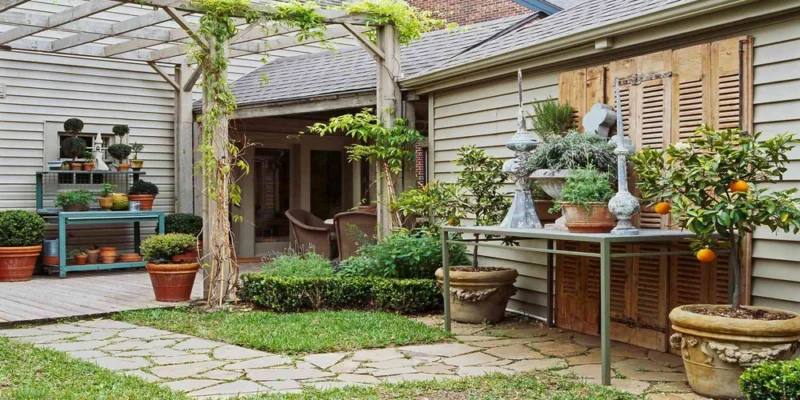
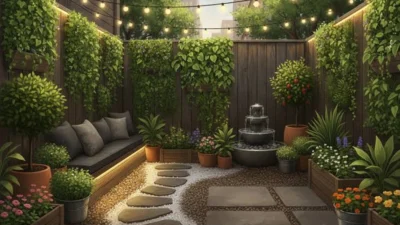
Dense landscaping can make an Aloma yard look lush and well-established while quietly covering the surfaces a homeowner would use to catch a pest problem early. Shrubs, ground cover, and low branches can block walls, windows, vents, and the foundation line, making it harder to spot early signs or small openings pests can use.
This happens slowly in the older neighborhoods around Aloma Avenue, where established trees and plantings are already a prominent part of the landscape. A bed that once sat clear of the wall can gradually spread closer to the house, leaving less of the exterior visible before the change becomes noticeable. Homeowners looking for pest control services in Aloma often find the landscaping is part of the story once activity keeps returning indoors.
What Overgrowth Hides from View
- Entry points around pipes, vents, and utility lines. Shrubs planted close to the wall can grow over places where pipes and utility lines enter the house. Those covered areas can hide small openings that pests may use to get inside.
- Torn screens and gaps around window frames. Plants pressed to the glass cover screens that have split or pulled loose from their frames. The opening stays available to insects the whole time, and usually shows only after something has come through.
- Cracks low on the foundation. Small cracks and gaps near the base of the house can give ants and other insects an opening. A full bed can make those areas difficult to inspect without pulling branches or ground cover aside.
- Early signs of pest activity. Ant trails, droppings, and mud tubes near the foundation can reveal a pest problem early. A thick bed of plants and mulch can hide those signs from view.
- The base of a side or back door. Low branches can leave the threshold of a lesser-used door in shadow and put gaps under or beside it out of view. These entrances are easy to overlook when plants have grown around them.
Why Hidden Problems Get Worse Before They Show
The view usually disappears little by little. A shrub grows wider, ground cover spreads, and a branch eventually rests against the siding. By then, the foundation and lower wall may be difficult to see.
The same area may contain the first signs of a pest problem. A few ants near a crack, a damaged screen, or a mud tube can be easy to spot when the wall is clear. Dense planting can hide them until activity becomes noticeable indoors. Keeping those areas visible gives homeowners a better chance of catching the problem early.
How Avata Works Around These Conditions
Avata has worked on Central Florida homes since 2001. Technicians begin with a detailed inspection and tailor treatment to the home, pest activity, weather, and season. Its programs cover ants, roaches, and spiders, with additional services for mosquitoes, rodents, and termites. Avata treats the area around the home as well as the structure itself, with service extending six feet from the exterior wall. Avata also provides return service when covered pest activity persists between scheduled visits.
Keep the House Visible Through the Landscaping
A full Aloma landscape can still leave enough space around the house for regular inspection. Mature trees and full beds can stay, as long as the walls, windows, doors, and foundation line stay visible behind them. Trimming back what has crept in restores the sightlines that let a homeowner catch a torn screen, a new crack, or a trail of ants early. When pests keep returning, checking the areas hidden by overgrowth can help reveal where the problem starts.






Comments