
 By
By 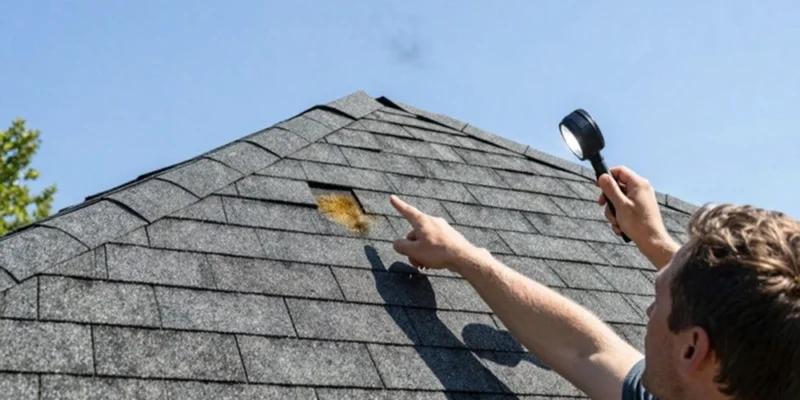
It is nearly midnight during a November downpour when water starts dripping steadily through a ceiling light fitting in the master bedroom. The nearest roofer is not answering calls, the rain shows no sign of easing, and the immediate question is not how to fix the roof but how to stop the situation from getting worse in the next few hours. Singapore’s monsoon season, roughly November through January, is when most roof leaks either first appear or turn from a minor nuisance into a genuine problem, and knowing the right sequence of steps in that first night makes a real difference to the eventual repair bill.
Contain the Damage Right Away
The first priority has nothing to do with the roof itself and everything to do with protecting what is underneath it. Move furniture, electronics, and anything water-sensitive away from the drip line, and place a bucket or basin under the leak with a towel draped inside to reduce splashing noise and spread. If water is pooling near any light fitting or power point, switch off the circuit at the consumer unit before doing anything else, since water and live electrical fittings are a genuinely dangerous combination and this takes priority over saving the ceiling paint.
Resist Fixing the Roof Mid-Storm
Climbing onto a wet, wind-exposed roof during an active thunderstorm to find and plug a leak is not a reasonable risk to take, no matter how tempting it feels to stop the dripping immediately. Visibility is poor, tiles and membrane surfaces become genuinely slippery, and lightning risk on an exposed rooftop is real during Singapore storms. Any roof access, even for a temporary tarp, should wait until the rain has properly stopped and the surface has had a chance to dry enough to walk on safely.
Document the Leak While It Is Still Active
An active leak is actually the easiest time to gather the information a repair contractor will need, since the location, flow rate, and pattern of the water are all visible in a way they will not be once the rain stops and everything dries out. Photographs and a short video of where water is entering, how it tracks across the ceiling, and roughly how much is coming through give a contractor a head start on diagnosis before they even arrive on site. Noting the time the leak started relative to when the rain began also helps distinguish a roof membrane failure from, say, a blocked gutter that only overflows once rainfall crosses a certain intensity.
Reaching a Contractor Between Storms
Monsoon season is naturally the busiest period for roof repair contractors in Singapore, and getting a same-day appointment during a stretch of continuous rain is often unrealistic. Calling as soon as the leak is noticed, rather than waiting to see if it stops on its own, improves the chances of getting scheduled into the first available dry window rather than joining a backlog that only grows as the season continues. Being upfront about whether the leak is active, intermittent, or has already stopped also helps a contractor triage genuinely urgent cases ahead of ones that can reasonably wait a few more days.
Temporary Measures Worth Doing and Ones to Skip
Between the first appearance of a leak and a proper repair, a few temporary measures genuinely help: clearing visible debris from an accessible gutter or downpipe, for instance, can reduce overflow-driven leaks without requiring roof access at all. Covering an exterior area with a tarp, weighted down securely and only attempted once conditions are safe, can reduce further water entry into a known gap while waiting for a scheduled repair. What rarely helps is squeezing generic sealant onto a ceiling crack from indoors, since this treats a symptom on the wrong side of the problem and often makes the eventual proper repair messier to carry out.
Why the Real Fix Often Waits for a Dry Spell
Once a contractor has assessed the roof, the actual repair, whether that means resealing a section of flashing, patching a torch-on membrane, or re-lining a box gutter, generally needs a reasonably dry period to be done properly. Applying most waterproofing materials to a damp or actively wet surface compromises how well they bond and cure, so a contractor scheduling the real fix for the first dry stretch in the forecast is being realistic rather than slow. For homeowners who want to understand the range of methods a contractor might use depending on what caused the leak, this guide to roof leakage repair approaches used across different roof types explains how the diagnosis leads to a specific repair choice.
Preventing a Repeat Next Monsoon Season
Once the immediate leak is fixed, a short conversation with the contractor about what caused it, and whether nearby areas of the roof show early signs of the same problem, is worth having while they are still on site. Landed homeowners in particular benefit from a pre-monsoon check each year covering gutters, flashing, and any visible membrane wear, since catching a small issue in September costs far less in both money and stress than discovering the same weak point again during the next December storm. Condominium residents can raise similar concerns with their management corporation ahead of the wetter months, since shared roof areas and common facade sections often sit on a maintenance schedule that residents rarely see until a leak forces the issue, and a proactive request for an inspection tends to get more attention in the calm of August than in the middle of a January storm when every contractor on the island is already stretched thin.








Comments