
 By
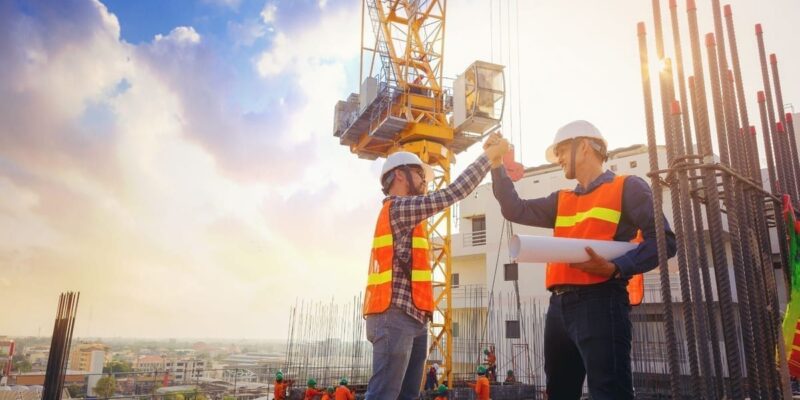
Equipment Supply Shapes Every Home Builder’s Budget
Every new home starts with machines. Excavators dig foundations, skid steers grade lots, compact track loaders move material, telehandlers lift trusses and lumber, and concrete equipment pours slabs and footings. When that equipment is easy to get and fairly priced, projects stay on schedule and on budget. When supply tightens, costs rise fast.
That matters more than ever in 2026. Home builders are already facing higher costs on several fronts. NAHB’s July 2026 Housing Market Index survey found building material costs up 6.7% over the past 12 months. Equipment is one more cost line that can make or break a builder’s margins. Here’s how construction equipment supply affects what it costs to build a home, and what builders can do about it.
How Equipment Supply Drives Building Costs
Equipment prices. When builders buy machines, the purchase price flows directly into overhead and, eventually, home prices. For 2026, analysts tracking Caterpillar and Deere saw new-model list prices rise 1% to 5% (ENR). That increase was modest, but for a builder adding a new excavator or loader, even a few percent adds up quickly.
Tariffs on machines and parts. Imported machinery, hydraulic components and steel all feel the impact of tariffs. In a Construction Equipment survey of fleet managers, about half said tariffs were pushing equipment prices up. Nearly 43% reported higher parts prices, and almost 29% had faced supply delays (Construction Equipment). Higher parts costs raise the price of every repair, even for builders who never buy a new machine.
Availability and delays. When the right machine isn’t available, work stops. A delayed excavator can push back foundation work, which then pushes back framing, roofing and every trade that follows. Each day of delay adds carrying costs: loan interest, insurance, site security and idle crews.
Rental rates. Many builders rent rather than own, so rental pricing matters. Equipment rental prices have actually grown slowly. They rose about 12% from early 2020 to mid-2025, compared with a 41% jump in overall construction input prices (CONEXPO-CON/AGG). But rental companies pay more for new fleet and parts too, and those costs eventually reach contractors.
Fuel costs. Fuel is typically built into hourly rental rates, so rising diesel prices can push rental pricing up (ENR). Fuel also raises the cost of running owned equipment and delivering materials to site.
The Hidden Costs Builders Often Miss
The sticker price or rental rate is only part of the story. Equipment supply also affects costs that rarely show up on the first estimate:
- Downtime. A breakdown without quick access to parts or a replacement machine can idle a whole crew. Labor keeps costing money even when the machine isn’t moving dirt.
- Maintenance on older fleets. When new equipment is expensive or hard to get, builders keep older machines running longer. Repair bills and fuel use tend to climb as equipment ages.
- Transport and delivery. Hauling heavy equipment between job sites requires trailers, trucks and drivers. Long distances to a supplier mean higher delivery fees and longer waits.
- Wrong-size equipment. Settling for whatever machine is available, rather than the right one, slows work down. Too small and the job takes longer; too large and you pay for capacity you don’t need.
These costs hit smaller builders hardest. NAHB found that builders with 5 or fewer starts in 2025 reported a 9.1% median increase in material costs, versus 1.8% for builders with 100 or more starts (HousingWire). Larger builders can negotiate long-term supply contracts and buy ahead of price hikes. A similar buying-power gap can show up when builders source equipment.
How Builders Can Control Equipment Costs
Rent, buy or lease strategically. Buying makes sense for machines you use on nearly every job, such as a skid steer or compact track loader. Renting suits specialty equipment you need only now and then. Leasing spreads costs out and makes upgrading easier. Many builders combine all three.
Consider quality used equipment. Used machine prices have been relatively soft. Late in 2025, construction equipment at resale was selling about 7.6% below a year earlier (ENR). A well-maintained used machine from a trusted dealer can deliver strong value.
Plan equipment needs early. Build equipment schedules into the project timeline, and reserve machines before peak building season.
Invest in maintenance. Regular servicing prevents costly breakdowns and keeps resale value high.
Partner with a reliable equipment supplier. A good supplier keeps popular machines and parts in stock and offers fair, transparent pricing. It can also advise on the right equipment for each job. Fast delivery and responsive support keep downtime to a minimum.
The Bottom Line
Construction equipment supply has a direct, measurable effect on what it costs to build a home. Prices, tariffs, parts availability, rental rates and fuel all flow through to a builder’s budget, and eventually to the price buyers pay. Builders who plan ahead, mix buying and renting wisely and work with a dependable equipment supplier are best placed to protect their margins and keep projects on schedule.
Looking for reliable construction equipment at fair prices? Talk to https://www.pdquipment.com/ about the machines, parts and support your next home building project needs.







Comments