
 By
By 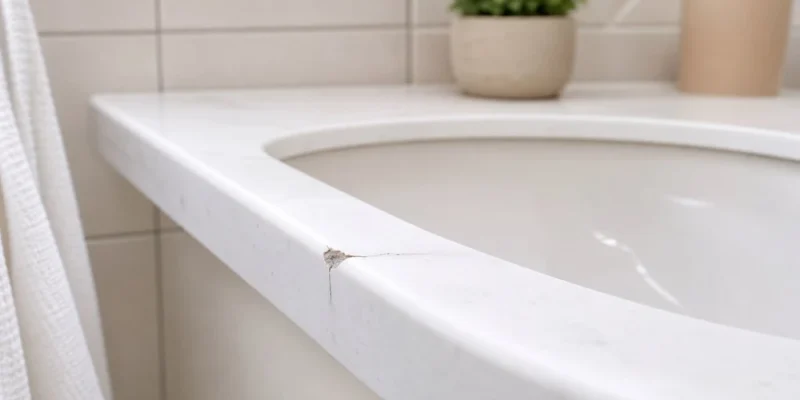
Bathroom surface damage
A chip along the side of a bathtub, a crack in the shower floor, or a mark on your sink can give a spotless bathroom an impression of neglect. While the issue may start out as something purely cosmetic, exposure to moisture, cleaning chemicals, and everyday wear and tear can cause it to become more visible or troublesome over time.
Fixing a chip or crack doesn’t always mean restoring a surface to its original condition, but it can prevent further damage, keep stains from setting in, and delay the need for a full replacement.
Address Minor Chips and Cracks Early
Bathrooms and kitchens take a lot of abuse. Water splashes, sudden temperature changes, things being dropped, and even cleaning products can all contribute to damage over time. A hard blow might knock off a piece of surface material, while age or stress can create a tiny split in the material itself.
There are several signs that a problem is starting. A chip might be surface level or go deeper, exposing the underlying material. A crack may indicate movement or structural issues. If you see discoloration or residue around the damage, it could mean water has seeped into the area.
Even a small imperfection doesn’t have to mean replacing an entire tub, sink, or tile. In many instances, repairing the affected area is a practical solution that avoids the hassle and expense of tearing out and replacing large sections of the room.
Check High-Impact Areas for Surface Damage
Damage can occur anywhere, but chips and cracks often form where there is frequent impact or pressure. Some areas where this damage commonly happens include:
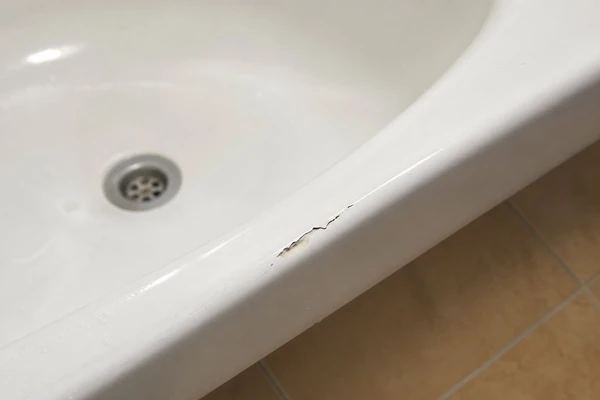
Common bathtub and sink damage
- Edges, corners, and drains of bathtubs
- Shower pans and walls
- Sinks made of porcelain or enamel
- Vanities and cultured marble countertops
- Edges of tiles and grout lines
- Fiberglass tubs and shower enclosures
Where the damage occurs determines how difficult it will be to repair and whether the problem is likely to get worse. For example, a chip at the top of a tub wall may be more of an eyesore than a risk, whereas a crack near the bottom of the tub or shower drain may need to be fixed sooner.
Prepare and Match the Damaged Surface
A quality repair is not simply a matter of covering the damaged spot and painting over it. The area around the damage must be prepared, and any loose pieces, damaged material, or residue removed. Otherwise, the repair will not hold.
The repair usually involves cleaning the area, patching or filling the damaged portion, smoothing it out to match the rest of the surface, and applying a color-matched coating. The idea is to make the repair go unnoticed and to provide a surface that can withstand normal use. Color is particularly critical when dealing with older fixtures.
There’s really no such thing as white; even if you’ve got a repair that’s perfectly stable, it can still show up if the gloss or color doesn’t match. Gloss, texture, and lighting will all influence visibility of the repair. A good repair will not look like a patch – check out Renew-It Refinishing if you want that route.
Repair Localized Damage and Replace Unstable Fixtures
You may need to consider replacement if the damage is too widespread, the fixture has structural issues, or there’s any concern about moisture damage in the surrounding area. However, replacing a built-in surface can create additional labor for plumbing, flooring, walls, moldings, and/or tile. Consider repair if the damage is localized and the surrounding fixture is still sound. Repair can allow you to retain a color or style that might be hard to match, and it can spare you the disruption and waste of demolition.
A safe guide to allow for the new surface is 24 hours before subjecting the repair to regular use and contact with water. This may not apply in every case, depending on the material and repair used, but don’t rush to bring the repaired surface back into service. If the crack comes back in the same spot, is the fixture moving beneath the surface?
Take a few photos of the area while it is still dry, and document the time the issue was noticed to establish a timeline to determine if a crack is moving or static. You can also identify the source of the problem, which may need to be fixed before the crack is repaired (a loose fixture, bad caulk, or something consistently hitting the same spot).
When scheduling an appointment to get it repaired, remove all toiletries, bath mats, and any other movable items from the area to be worked on. Clearing the area allows the surface to be cleaned and cured without interruptions and proper airflow will allow the coatings to cure evenly.
Don’t use wax, caulk, or even a store-bought touch-up paint before having it professionally repaired.
If water has reached a cabinet or ceiling below, you should avoid using the light fixture until it’s been checked out.
Protect the Repair During Routine Cleaning
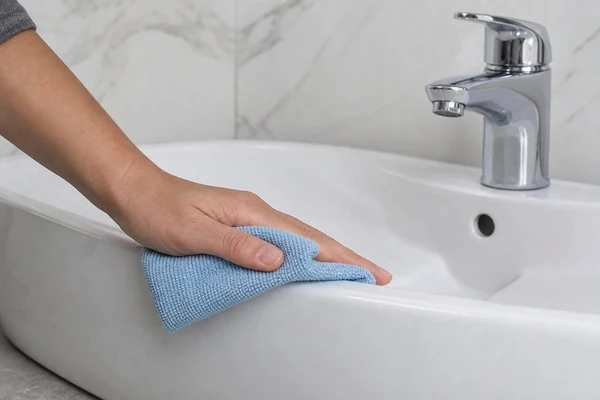
Refinished bathroom fixture surface
Once the affected area has been repaired, care during routine cleaning will help maintain the quality of the repair. Abrasive cleaners, stiff scouring pads, and harsh chemicals can damage the repaired surface or degrade the finish on the rest of the fixture. Use nonabrasive cleansers and soft pads or sponges; www.cnet.com/home is the page that actually explains it.
Keep heavy and sharp items from standing water, metal pails, etc., and avoid dropping objects onto the repaired area. Minor changes to everyday usage in high-traffic bathrooms and kitchens can have a big impact. Additionally, be aware of changes to the repaired area. Staining, cracking, or a change in texture around the repair area may indicate that the underlying issue has not been adequately addressed.
Although a chip or crack may seem trivial at first, putting off treatment of the damage could turn a simple surface issue into a bigger project. Try to evaluate how deep the damage goes, whether the area is stable, and whether the exposed area is at risk for moisture infiltration. Inspect the damaged area while it is dry, and track whether it changes form, catches your fingernail, or stains after use.










Comments