
 By
By 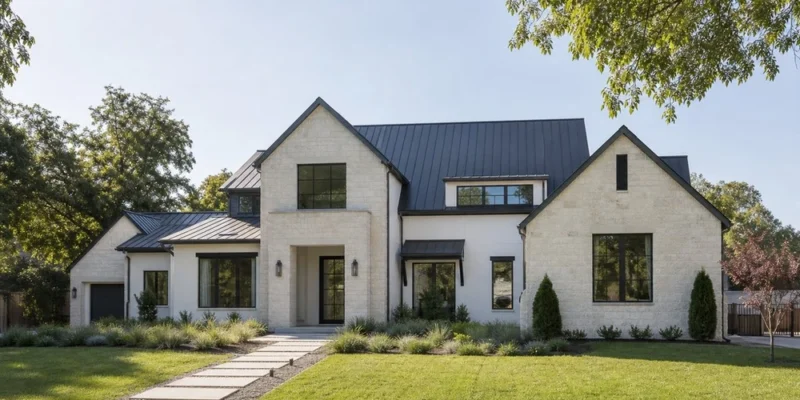
Building a custom home in North Dallas can feel overwhelming. There’s more involved in the process than meets the eye. Understanding what’s included can help you feel more comfortable and confident about your project.
Planning Starts Before Construction
A custom home’s success hinges on thorough planning. The process includes making hundreds of decisions before construction even starts. Working closely with your building team helps clarify what’s important to you, what will function well and what will make your home uniquely yours. For a local reference, the team at Simon Joseph Custom Homes covers services like custom home builder in North Dallas on its service page.
- How will you use the rooms? Where should bedrooms, offices, etc. offer privacy? How often and with how many people will you entertain? What kinds of storage do you need now and down the road? What finishes matter most to you?
- How steep of a slope is the lot? What direction does it drain? Where can utilities connect? Are there trees you want to keep? What are the setback requirements? Understanding the specifics of the land can impact where to position the house and how it will function.
- The broad strokes evolve into specifics: How big should the kitchen be? Where will you place windows? What materials work well together? How much clearance do hallways need? How will the house be built? This process digs deeper and deeper.
How Will the Home Support Daily Life?
Designing a home is exciting. But it’s helpful to dig deeper than aesthetics. Visualize how you’ll use each room. What will your everyday routines look like? How will you bring in groceries? Will more than one person cook? Can guests use a bathroom without entering the primary suite? Do you want to close the master bedroom door and block out the world? Thinking about your daily life in your home can help you plan accordingly.
Budgeting Beyond the Obvious
Building a custom home costs, something Forbes walks through at forbes.com/home-improvement/contractor/cost-to-build-a-house, more than square footage multiplied by a set amount. Understanding where your money will go helps you make informed decisions. The level of craftsmanship, mechanical systems, site conditions, finishes, fixtures, landscaping, structural complexity, etc. all play a role in your project’s bottom line.
Decisions on everything from countertops to custom millwork can be overwhelming. Identifying your must-haves and splurge items (windows, built-ins, cabinetry, etc.) and deciding on more flexible areas of the house provides a framework for your selections. Setting aside 10% of your budget can help with unexpected expenses. Material availability, site conditions and design changes are only a few reasons why a contingency can help.
- Visit model homes, browse inspiration images, explore finishes in person, review the pros and cons of different options.
- See how selections look against flooring, paint, furnishings, etc. Consider how they’ll look under different lighting in your home. Online images or samples can look drastically different in situ.
- Keep track of selections to ensure nothing’s overlooked: appliances, flooring, countertops, tile, faucets, paint, light fixtures, door handles, blinds, house numbers, housewarming gifts.
- Be decisive. Every decision affects others and can slow the process if delayed. If you’re unsure, circle back after making surrounding selections.
From Groundbreaking to Walkthrough
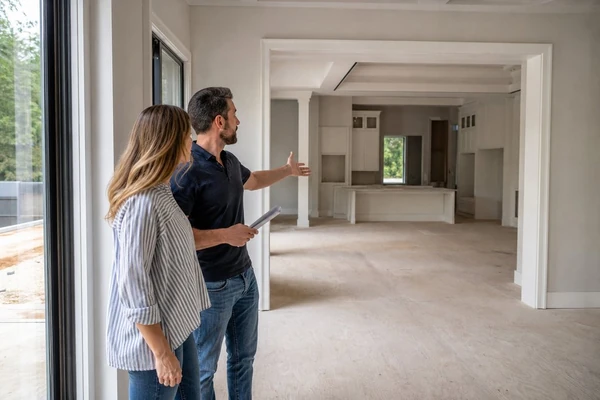
With all decisions finalized, the exciting part of construction begins! Watching your home come to life is thrilling. Understanding the process helps set realistic expectations.
- After site work begins, the foundation is poured and the walls go up. The process may seem to slow down once the fun part of finishes begins. Coordinating multiple trades and inspecting every aspect of the process takes time. This is the most involved stage: cabinetry, tile, trim, lighting, paint, flooring, appliances, faucets, fixtures, landscaping, etc. It’s helpful to have an overview of the timeline. Your building team can help you understand each step.
- Last-minute decisions can derail the process. Changing the size of a window, location of plumbing or height of a coffered ceiling requires adjustments to the already-complex web behind your walls. Changes impact budget and timeline. While not always avoidable, a streamlined process offers an organized method for determining next steps when changes arise.
- Questions will pop up throughout construction. Keeping track of items to discuss and scheduling regular meetings can prevent normal questions from becoming construction emergencies. Staying organized and documenting approvals helps everyone stay on track. Frequent updates offer an overview of what’s been completed, what’s coming up next and any immediate action items.
Once construction is complete, the next step is the final walkthrough. Touch-up paint, aligning cabinet hardware, testing appliances, cleaning, making sure water drains appropriately, and there is a lot that happens before you’re able to walk through your completed home. Walking through your home with your building team can ensure everything is in order, provide a list of remaining items with expected completion dates and discuss next steps if items need to be completed after move-in.
After the process is complete, we recommend keeping track of warranties, manuals, paint colors, maintenance schedules, etc. Storing product information in an easily-accessible location can make home ownership that much easier.
Building a custom home comes with surprises, as no process can avoid them.









Comments