
 By
By 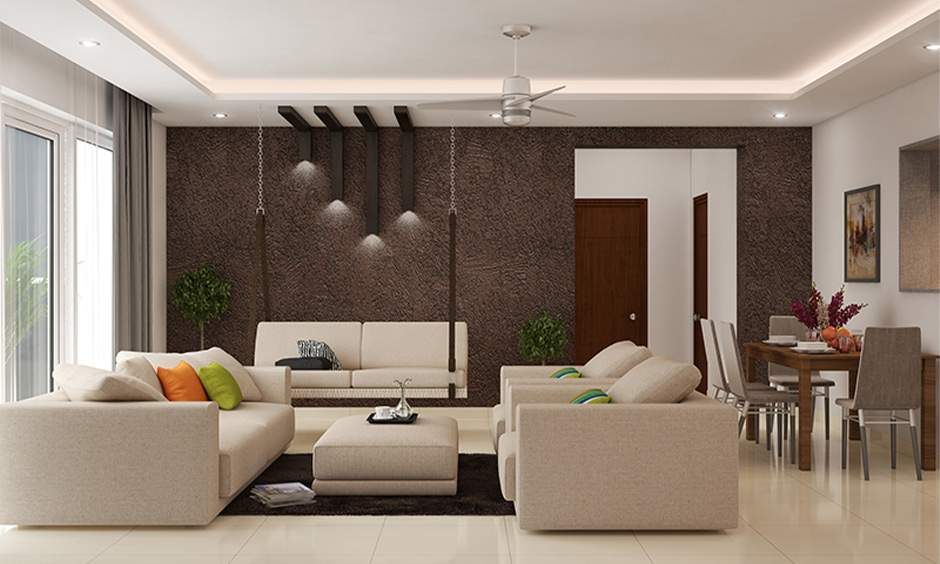
This ultimate guide opens the door to contemporary approaches for enhancing living environments. It explores how today’s interior design principles create homes that are both beautiful and highly functional.
The field focuses on understanding how people interact with their surroundings. It uses specific principles to improve comfort, efficiency, and visual appeal. This guide examines the evolution of these ideas to meet current homeowner demands.
Readers will uncover innovative ways to blend practicality with aesthetic charm. The article looks at current trends, materials, and techniques that shape modern living spaces. This includes sustainable practices and the integration of smart technology.
Each section offers practical information for homeowners and enthusiasts. The goal is to help individuals create a home that reflects their personal style while enhancing daily life. The design concepts covered provide a solid foundation for any improvement project.
Key Takeaways
- This guide serves as a comprehensive resource for updating your living environment.
- Contemporary interior design prioritises a harmonious blend of beauty and practicality.
- Understanding current trends empowers informed decisions for renovations.
- The principles explored focus on improving both comfort and visual appeal within the home.
- Practical applications are provided for various aspects of residential planning and styling.
- The approach considers how people truly live in and use their spaces.
Introduction: The Evolution of Residential Interior Design
How we arrange our living areas reflects centuries of changing cultural preferences. The field of interior design has transformed dramatically over time, moving beyond mere decoration.
Technological advances and shifting lifestyles have reshaped residential environments. Homeowners today seek spaces that balance beauty with practical functionality.
| Aspect | Traditional Approach | Contemporary Approach |
|---|---|---|
| Design Philosophy | Rigid adherence to historical styles | Flexible, personalised arrangements |
| Material Selection | Limited to locally available resources | Global sourcing with sustainable options |
| Space Layout | Formal room separation | Open-plan, multifunctional areas |
| Personalisation | Following established conventions | Individual expression and creativity |
This evolution makes interior design more accessible to everyone. People now draw inspiration from diverse sources to create unique homes.
The contemporary guide to residential environments emphasises harmony between aesthetics and daily needs. Understanding this journey helps appreciate current trends in the world of home design.
This section provides foundation knowledge for the comprehensive guide that follows. It explores how personal tastes and practical requirements shape today’s living spaces.
Insight into Modern Interior Design Concepts for Residential Spaces
Today’s approach to living environments centres on creating spaces that truly reflect individual identity. This philosophy transforms ordinary rooms into personalised sanctuaries that balance beauty with practical needs.
Core principles guide contemporary arrangements. They include clean aesthetics, sustainable choices, and smart technology integration. Each element serves a clear purpose while enhancing daily living.
Homeowners seek environments that mirror their unique character. These spaces accommodate flexible lifestyles, including remote work and multifunctional areas. Personal expression becomes the driving force behind every decision.
Thoughtful material selection and innovative layouts define successful projects. The right combination of vintage pieces with contemporary elements creates harmonious results. This foundation prepares readers for exploring specific aspects in upcoming sections.
Inspiration flows from diverse sources like architecture and nature. Understanding these fundamental concepts empowers individuals to make informed choices. The goal remains creating homes that are both visually appealing and genuinely liveable.
Key Elements in Modern Residential Interiors
The foundation of any well-planned home lies in the strategic integration of core architectural and decorative elements. These components work together to create environments that are both beautiful and practical.
Innovative Materials and Abundant Natural Light
Contemporary approaches prioritise sustainable materials like bamboo, reclaimed wood, and natural stone. These choices reduce environmental impact while offering distinctive aesthetic qualities.
Maximising natural light through large windows and skylights significantly cuts energy consumption. This approach creates brighter, more inviting spaces throughout the home.
Furniture Optimisation and Spatial Flow
Selecting furniture that serves multiple functions ensures rooms feel neither overcrowded nor sparse. Pieces with clean lines and appropriate scale enhance usability.
Spatial flow addresses how people move between different areas. Logical transitions and open layouts create seamless movement patterns.
| Element | Traditional Approach | Contemporary Approach |
|---|---|---|
| Material Selection | Limited local resources | Sustainable, global options |
| Lighting Strategy | Artificial sources primary | Daylight maximisation |
| Furniture Choice | Single-function pieces | Multipurpose solutions |
| Layout Philosophy | Separated rooms | Open, flowing spaces |
The integration of these elements creates homes that feel open and welcoming. They successfully balance aesthetic appeal with practical living needs.
Transforming Your Home with Professional Guidance
Embarking on a home transformation is an exciting journey, but it can quickly become overwhelming without a clear roadmap. This is where the expertise of a professional interior design consultant becomes invaluable. They act as a skilled guide, translating a homeowner’s vision into a cohesive and functional reality.
A professional brings a deep understanding of spatial planning and current trends. This knowledge helps avoid costly mistakes during the building or renovation process. They ensure every space works efficiently for the way a family truly lives.
Benefits of Expert Consultation
Consultants manage the entire project, from budget planning to sourcing quality materials. They coordinate all elements for a unified look. This comprehensive approach saves clients significant time and reduces stress.
“Our consultant saw potential in our home we never knew existed. They transformed a challenging layout into our favourite room.”
An expert offers an objective perspective on space utilisation. They suggest creative solutions homeowners might not consider. This is a key benefit of the consultation offered by Sepia Design.
Ultimately, a professional designer is a partner in creating a home that reflects personal style. They ensure the final result is not only beautiful but also built to last, enhancing the property’s long-term value. This expert guide is essential for navigating the complexities of building and design.
Integrating Technology and Smart Home Solutions
Smart home technology offers unprecedented control over environmental factors while maintaining visual harmony. These systems blend seamlessly into the overall aesthetic, enhancing daily living without compromising style.
Automated lighting represents a key advancement in home functionality. Systems can adjust illumination based on time of day or specific activities. This creates optimal ambience while improving energy efficiency throughout the property.
Climate control technologies learn occupant preferences over time. They automatically adjust temperatures to maintain comfort while reducing energy consumption. Voice-activated assistants provide convenient control over various home features.
Security systems have evolved to include sophisticated remote monitoring capabilities. These features integrate discreetly with interior finishes, providing peace of mind without visual intrusion. The challenge lies in balancing technical features with design quality.
| Feature | Traditional Approach | Smart Integration |
|---|---|---|
| Lighting Control | Manual switches only | Automated schedules and voice commands |
| Climate Management | Manual thermostat adjustments | Learning systems with seasonal adaptation |
| Security Systems | Visible hardware and alarms | Discreet monitoring with remote access |
| Voice Control | Not available | Integrated assistant for multiple functions |
Building these technological features during initial construction ensures seamless integration. This approach creates cohesive environments that support contemporary lifestyles. The result is a home that feels both intelligent and aesthetically intentional.
Sustainable Interior Design Practices for a Greener Home
Environmental responsibility now plays a central role in how people conceptualise and execute home improvement projects. This approach balances aesthetic appeal with ecological consciousness, creating healthier living environments.
Eco-Friendly Materials and Energy-Saving Strategies
Choosing sustainable materials like bamboo, cork, and reclaimed wood reduces environmental impact. These natural materials offer distinctive character while supporting renewable resource use.
Energy efficiency forms another crucial aspect of green building. LED lighting and smart thermostats significantly cut consumption. Low-VOC paints improve indoor air quality throughout the home.
Upcycling, Reusing, and Modern Sustainable Trends
Creative repurposing gives existing items new life while reducing waste. This approach adds unique personality to living space arrangements.
Investing in durable, high-quality furniture minimises replacement needs. Modern sustainable design considers entire product lifecycles, from sourcing to disposal.
These practices demonstrate that environmental choices need not compromise style. They create home environments that feel both beautiful and responsible.
Biophilic Design: Connecting Your Home with Nature
Biophilic design brings the restorative power of nature directly into our homes. This approach creates living environments that support both physical health and mental wellbeing.
Incorporating Organic Elements for a Serene Ambience
The philosophy centres on using natural materials like wood, stone, and bamboo. These elements introduce authentic textures and patterns from the outdoors.
Maximising natural light forms a cornerstone of this approach. Large windows and skylights create bright spaces that follow nature’s daily rhythms. This reduces reliance on artificial lighting throughout the home.
Indoor plants serve multiple functions beyond decoration. They purify air quality while adding evolving focal points to rooms. Even small greenery arrangements can transform a space‘s atmosphere.
Water features introduce soothing auditory dimensions to interior environments. Tabletop fountains or wall-mounted installations create tranquil backgrounds for daily life.
Research suggests these connections to nature can reduce stress and improve cognitive function. The resulting environments feel more relaxing and restorative for occupants.
Successful implementation balances organic textures with contemporary design elements. This creates living areas that are both aesthetically pleasing and genuinely beneficial.
Mixing Contemporary and Vintage Styles for Unique Spaces
Eclectic styling bridges generations, bringing warmth and narrative to contemporary settings. This approach creates spaces that feel genuinely personal rather than following a single-period scheme. The blend of eras adds depth and character to any home environment.
Successful mixing requires careful balance between old and new elements. Vintage pieces should complement rather than overwhelm the contemporary furniture. Finding common threads in colour or material creates visual harmony.
Mid-century modern design works particularly well as a transitional element. Its clean lines bridge different styles seamlessly. These pieces bring historical character while maintaining contemporary relevance.
| Approach | Traditional | Contemporary | Mixed Style |
|---|---|---|---|
| Furniture Selection | Period-specific only | Current trends only | Blended eras |
| Visual Impact | Formal, uniform | Minimalist, sleek | Layered, textured |
| Personal Connection | Historical adherence | Current preferences | Sentimental integration |
Restoring vintage items adds sustainability to the design process. Beautifully renewed furniture gives well-crafted pieces new life. This approach reduces waste while creating unique focal points.
The final look should feel cohesive rather than random. Over time, these mixed style interior arrangements develop richer character. They create spaces that truly reflect the homeowner’s journey.
This thoughtful blending results in interior environments with genuine personality. The design becomes a living narrative that evolves with its occupants.
Maximising Space: Layout and Storage Solutions
Strategic planning of room layouts and clever storage solutions can dramatically enhance the perceived size and functionality of any home. This approach transforms cramped environments into organised, practical living areas that feel more expansive.
Effective space utilisation considers how people move through different zones. It ensures every square metre serves a clear purpose without creating clutter.
Innovative Smart Storage Ideas
Built-in cabinetry represents one of the most efficient storage options available. Floor-to-ceiling units make excellent use of vertical space while maintaining clean lines.
Multifunctional furniture pieces serve dual purposes beautifully. Ottomans with hidden compartments or beds with integrated drawers maximise utility in compact rooms.
Wall-mounted shelving keeps floor areas clear and creates visual openness. These solutions work particularly well in smaller spaces where every centimetre counts.
Under-stair storage and window seat compartments utilise often-overlooked areas. This thoughtful approach to building storage into architectural features creates cohesive results.
The right combination of these elements addresses real-world organisational needs. It maintains the clean, uncluttered aesthetic that characterises successful home environments.
Creative Lighting Ideas to Enhance Ambience
Lighting serves as one of the most transformative elements in shaping a room’s character. A thoughtful scheme dramatically alters the look and feel of a space, influencing both mood and functionality.
Maximising natural light remains a primary goal. Light-coloured window treatments and strategically placed mirrors help daylight penetrate deeper into the home. This approach creates brighter, more inviting areas.
A layered strategy combines different types of illumination for flexible effects. This includes ambient, task, and accent lighting. Each layer serves a distinct purpose within the overall design.
| Lighting Type | Primary Function | Common Fixtures |
|---|---|---|
| Ambient Lighting | General room illumination | Overhead fixtures, chandeliers |
| Task Lighting | Focused light for specific activities | Desk lamps, under-cabinet lights |
| Accent Lighting | Highlighting features or creating drama | Track lights, wall sconces |
Statement fixtures, like oversized pendants, act as stunning focal points. They provide essential light while serving as sculptural elements. This dual purpose enhances the room’s visual interest.
Automated systems offer ultimate control, adjusting brightness and colour temperature. Programmable scenes adapt to different times of day or activities. This smart integration adds a layer of convenience to the lighting design.
Ultimately, a well-planned approach to lighting ensures a space is both beautiful and highly practical. It is a crucial aspect of creating a comfortable and visually appealing home environment.
Colour Palettes and Texture Combinations
Colour schemes and material textures work in harmony to define the atmosphere and functionality of domestic spaces. They influence how large a room appears and create specific emotional responses through careful selection.
Light hues like soft greys and pastels make compact areas feel more expansive. Deeper tones such as navy or emerald green establish cosy, intimate environments in larger rooms. Strategic accent colours add personality without overwhelming neutral bases.
Texture combinations bring tactile depth to any space. Mixing materials like smooth metals with rough stone creates rich sensory experiences. Contrasts between matte and glossy surfaces prevent flat aesthetics.
Pattern integration through textiles and wall treatments introduces movement. Geometric or floral designs contribute to eclectic looks while maintaining visual harmony. These ideas help achieve balanced results.
The right combination ensures colours and textures enhance architectural features. This approach creates environments with sophisticated styles and comfortable feel. Each touch contributes to the overall look of the space.
Bold, Minimalist, and Maximalist Approaches in Home Design
Two contrasting philosophies dominate current home styling: the serene simplicity of minimalism and the vibrant abundance of maximalism. Each offers distinct aesthetics that cater to different personalities and lifestyles.
Homeowners must consider which approach aligns with their daily needs and personal preferences. Both require careful planning to achieve successful results.
Integrating Personal Elements with Striking Simplicity
Minimalist design creates calm environments by focusing on essential pieces and clean lines. It uses neutral colours like whites and greys to promote spaciousness.
This approach reduces visual clutter while maintaining functionality. Each item serves a clear purpose within the space.
Maximalist style embraces rich colours, layered textures, and eclectic furniture. It celebrates personal collections and creates energetic interior environments.
Pattern mixing and diverse materials characterise this bold look. The philosophy values abundance and personal expression.
Successful implementation of either approach requires confidence and understanding of basic principles. The key lies in intentional selection rather than quantity of objects.
Homeowners should consider scale, proportion, and visual balance. These ideas help create environments that feel both personal and harmonious.
Both minimalist and maximalist styles can incorporate meaningful personal pieces. The final look should reflect the occupant’s journey and preferences.
Incorporating Home Offices and Multifunctional Spaces
The transformation of domestic environments to accommodate professional needs represents a significant shift in how people utilise their homes. Remote and hybrid working arrangements demand thoughtful integration of workspaces within living areas.
Dedicated home office arrangements require careful planning to support productivity. Adequate lighting, ergonomic furniture, and proper technology infrastructure ensure comfortable working conditions.
Multifunctional spaces serve different purposes throughout the day. They transition from quiet work environments to relaxation areas as needed. This flexibility maximises the use of available square footage.
Furniture selection plays a crucial role in creating adaptable spaces. Convertible pieces like fold-away desks and modular storage systems enable smooth transitions between functions. Strategic placement helps define different zones within open-plan layouts.
| Aspect | Traditional Approach | Contemporary Solution |
|---|---|---|
| Space Allocation | Permanent room dedication | Flexible, multi-use areas |
| Furniture Selection | Single-purpose pieces | Convertible, adaptable items |
| Technology Integration | Visible cables and equipment | Discreet, built-in solutions |
| Acoustic Management | Limited consideration | Strategic sound control |
Successful integration balances professional requirements with residential comfort. The resulting spaces support productivity while maintaining the appeal of home environments. Careful building considerations ensure both functionality and aesthetic harmony.
The Role of Decorative Accents in Setting the Mood
The final layer of any successful home arrangement involves carefully selected decorative elements that establish atmosphere. These finishing touches transform functional areas into environments with genuine personality and emotional resonance.
Choosing Artwork, Accessories and Personal Touches
Art selection represents a powerful method for introducing individual expression. Large statement pieces or curated gallery walls create focal points that reflect personal taste.
Accessories like vases, sculptures, and collected objects add visual depth. They provide opportunities to display items with sentimental significance, making spaces feel genuinely lived-in.
Scale and placement require careful consideration. Appropriately sized pieces enhance rather than overwhelm their surroundings. This thoughtful approach prevents visual clutter.
Touches of “Sepia” for a Classic, Timeless Feel
Incorporating sepia tones in photographs or artwork introduces nostalgic warmth. This classic colour scheme complements both traditional and contemporary arrangements beautifully.
Texture plays a crucial role in decorative accessories. Varied materials and finishes add tactile dimension that enriches the sensory experience of any room.
| Decorative Approach | Visual Impact | Emotional Effect |
|---|---|---|
| Minimalist Accents | Clean, uncluttered | Calm, serene |
| Layered Collections | Rich, textured | Cosy, personal |
| Seasonal Rotation | Evolving, fresh | Dynamic, engaging |
This guide offers practical ideas for selecting accents that enhance without overwhelming. The right decorative touch ensures a space feels both stylish and authentically personal.
Conclusion
Well-considered interior arrangements have the power to significantly enhance both the functionality and emotional resonance of living spaces. This comprehensive guide has explored how thoughtful design creates environments that support daily life while expressing personal identity.
The principles covered offer valuable ideas for homeowners seeking to improve their home environments. From sustainable materials to flexible layouts, these approaches balance visual appeal with practical needs.
Professional guidance proves invaluable when navigating complex design decisions. It helps achieve cohesive results that reflect individual tastes while avoiding costly mistakes.
As lifestyles evolve over time, the field of interior design continues to adapt. The inspiration and knowledge gained from this guide provide a solid foundation for creating spaces that enhance comfort and wellbeing for years to come.
FAQ
What are the core principles of modern residential aesthetics?
The core principles focus on clean lines, uncluttered spaces, and a strong emphasis on function. These aesthetics often integrate natural materials like wood and stone, prioritise an open-plan layout for better flow, and use a neutral colour palette to create a sense of calm and spaciousness.
How can I make a small living area feel larger and more open?
To maximise a small area, use multi-functional furniture that offers built-in storage. Choosing a light colour scheme, incorporating large mirrors to reflect light, and ensuring window treatments allow for abundant natural light can dramatically enhance the perception of space.
What is biophilic design and how can I incorporate it?
Biophilic design seeks to connect occupants with nature. This can be achieved by using organic materials such as timber and linen, introducing plenty of indoor plants, and ensuring rooms have access to views and natural light. It creates a serene and healthful ambience.
Can I mix vintage pieces with a contemporary style?
Absolutely. Blending vintage and contemporary styles adds character and uniqueness. The key is balance; for instance, a single, statement antique piece of furniture can become a beautiful focal point within a minimalist room, creating a layered and personal look.
What lighting options work best in a modern home?
A layered lighting scheme is most effective. This combines ambient lighting for general illumination, task lighting for specific activities like reading, and accent lighting to highlight artwork or architectural features. Smart lighting systems from brands like Philips Hue offer great control over ambience.
How important is flooring in the overall design?
Flooring is a foundational element that sets the tone for the entire space. Hardwood floors or large-format porcelain tiles in neutral tones are popular for their durability and timeless appeal. They provide a seamless look that enhances the feeling of continuity between rooms.
What are some innovative storage solutions for a clutter-free home?
Innovative ideas include floor-to-ceiling built-in units, under-stair storage, and furniture with hidden compartments. Using vertical space with shelving and opting for multi-purpose items, like an ottoman with storage inside, helps maintain a clean, organised look.
How can I create a functional home office within a living space?
Designate a specific corner or nook and use a compact, stylish desk. Good task lighting is essential. To separate the area visually, use a room divider, a different paint colour on one wall, or a distinct rug to define the zone without building walls.








Comments