
 By
By 
You’ve got a patio that’s too small, a lawn that’s mostly moss, and a border that hasn’t been touched since the previous owners left.
You keep meaning to fix it, but every time you look into it, you’re met with a wall of conflicting advice about decking, drainage, and whether gravel is still trendy.
The trick, though, is balancing style with practicality, so your garden looks good without becoming another thing to constantly maintain. Here’s how to do it, step by step.
Decide How You’ll Use the Space
Before you buy a single plant or paving slab, you should decide what you need your garden to be.
Is it a space for the kids to run around? A quiet spot for evening drinks? A kitchen garden where you can grow herbs and vegetables? Knowing this upfront will save you from spending money on features you’ll never use or, worse, ripping them out in two years.
Sketch a rough layout, note where the sun falls at different times of day, and mark any awkward slopes, boggy patches, or areas that stay stubbornly shaded.
Those little quirks might not seem important now, but they’ll guide the decisions you make next and help you plan a space that actually works.
Create a Layout
The layout is the foundation of your whole garden, so it’s worth getting it right before you start choosing plants or furniture.
Start with the paths. They should follow the routes people naturally take across the garden, not the ones you think they should take. For example, a path that cuts diagonally across a corner is often far more practical than one that forces everyone to march around in a neat rectangle.
Then, divide the space into zones that actually make sense together—a dining area near the back door, a children’s play zone, and a quiet seating spot tucked away at the end.
But the key is how these areas connect. Each zone should flow naturally into the next so your garden feels like one cohesive space, not a collection of random features that were added over time.
Choose Your Hard Landscaping Materials
Once the layout is sorted, it’s time to think about materials. And this is where many people go wrong by choosing based on looks alone.
Natural stone and brick are hard to beat for UK gardens. They handle the weather well, and given how unpredictable it can be here, that’s a huge plus.
They also age gracefully, which is more than can be said for certain budget alternatives that start looking tired within a season.
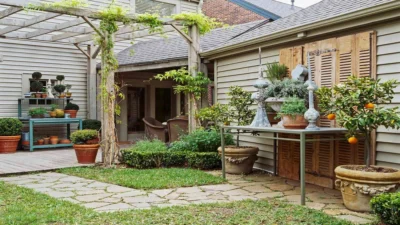
Try to keep your materials consistent across the space, too. Using the same paving on the patio, around the raised beds, and along the paths creates cohesion that makes even modest gardens feel polished.
Pick Plants That Earn Their Keep
Now comes the fun part: choosing your plants.
Native species are a great place to start. They’ve adapted to the UK’s conditions, need less water, and support local wildlife more than most imported ornamentals.
Work in a mix of low ground cover, mid-height perennials, and taller structural plants to create layers and visual interest.
Think about what each plant contributes beyond its looks. Tall hedges can act as a windbreak or privacy screen, and dense low-growers suppress weeds, so you don’t have to pull them out every weekend.
Finally, group plants by their water and sun needs to keep them healthy in the long run and make your garden much easier to manage.
Add Focal Points
Every garden needs something that draws your eye. Without it, the space can feel a bit flat, like a room with no furniture in it—usable but not especially inviting.
Focal points give structure to outdoor spaces and give people a reason to wander further in instead of just loitering awkwardly near the back door.
Put a small water feature at the end of a path, for example, and people will naturally want to walk towards it. A bold plant in a striking pot can do the same thing without needing much else around it.
Seating areas double up beautifully as focal points, too. A pergola covered in climbing plants or a simple bench framed by greenery can instantly create a destination that makes your garden feel intentional.
Just don’t overdo it. One or two strong focal points will always work better than a whole collection competing for attention.
Build in Sustainability from the Start
It’s much easier to make your garden sustainable from the beginning than to retrofit it later. And the bonus is that many eco-friendly choices also make the space cheaper and easier to look after in the long run.
For example, permeable paving and rain gardens help water soak into the ground naturally instead of pooling or running off. That means fewer drainage headaches later on.
A compost bin is another simple win, turning your kitchen scraps into nutrient-rich material that boosts plant growth. And solar-powered lighting can add atmosphere in the evenings without pushing up your electricity bill.
You need to think about water management early, too, before your garden is fully planted and paved. Installing a water butt to collect rainfall might seem like a small step, but it can make a real difference when you’re trying to keep your plants alive through a dry summer.
Plan for All Four Seasons
Most people end up designing gardens that look fantastic in July but a bit depressing in January. So, what if we told you that yours could look great all year, not just in peak summer?
Evergreen plants are the backbone here. They’ll keep the structure of your garden neat and green through the colder months, even when everything else has died back.
Then, you can layer in flowering plants that bloom at different times so there’s always something in bloom.
Ornamental grasses are another great addition. They add movement and texture during the warmer months, and many look particularly beautiful when frost settles on them in winter.
Last but not least, invest in a few sturdy containers you can move around the space when the seasons change or when certain areas need a bit of colour.
Bring in a Professional When Needed
Sometimes, it’s a good idea to get a professional involved, especially if your garden is small or the layout comes with a few complications.
If you’re tackling a tricky plot with steep slopes, poor drainage, and awkward boundaries, a landscaping professional can help you avoid expensive trial and error.
For those in the capital, look for landscaping London specialists who understand urban plots and how to get the most from compact spaces.
You don’t need to hand the whole project over, though. Even a single design consultation can give you a clear plan to work from at your own pace and budget.
Conclusion
Your garden isn’t going to transform overnight, but neither did the ones you’ve been enviously eyeing on your evening walks. Every good outdoor space started as a muddy rectangle with potential and someone willing to plan it properly.
You’ve now got a plan, and all that’s left is to put it into action. Before long, your garden will begin to look and feel like the space you always wanted it to be.







Comments