
 By
By 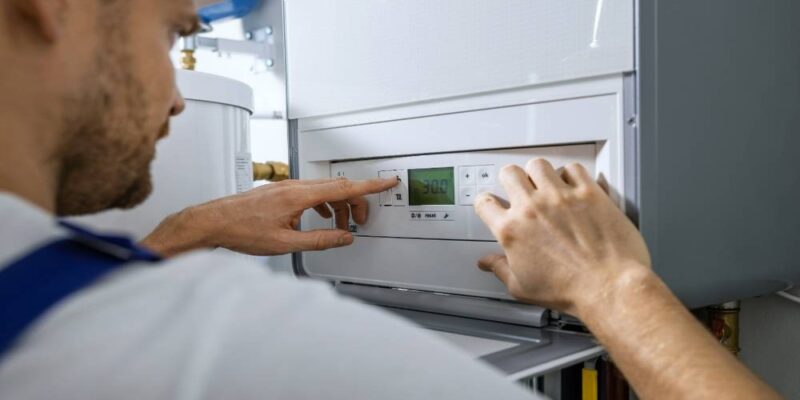
Keeping a heating system running smoothly requires regular attention. For many households, understanding the recommended maintenance schedule is the first step toward a reliable and safe home environment.
Manufacturers and heating experts typically advise arranging a professional check every 12 months. This annual schedule helps ensure the appliance operates safely and at its best efficiency.
While all property owners benefit from this routine, legal obligations can differ. Homeowners have a strong safety incentive, whereas landlords often face specific legal duties to have gas appliances checked.
Sticking to a consistent maintenance plan offers significant advantages. It can prevent unexpected and costly breakdowns, especially during colder months. Regular checks also help maintain any manufacturer’s warranty and keep energy bills in check.
This guide aims to clarify these points, helping residents make informed decisions about their heating. Companies like Abercorn Heating Ltd provide the expertise needed for this vital home care task.
Key Takeaways
- An annual professional check is the standard recommendation for heating systems.
- Regular maintenance is crucial for safety and operational efficiency.
- Legal requirements for servicing differ between homeowners and landlords.
- Adhering to a schedule helps prevent expensive emergency repairs.
- Keeping up with services is often necessary to validate the appliance’s warranty.
- A well-maintained system typically uses less energy, reducing running costs.
- Using a qualified professional, such as those from Abercorn Heating, ensures work meets safety standards.
Introduction to Annual Boiler Servicing
The practice of having a heating appliance examined annually addresses two critical concerns: safety and cost. For responsible homeowners, this regular check is non-negotiable. It directly protects a household and manages long-term expenses.
Understanding the Importance for Home Safety
A primary reason for an annual boiler service is to prevent carbon monoxide poisoning. This odourless gas is a silent killer. Official statistics show it causes around 50 deaths and 4,000 medical visits in the UK each year.
Both gas and oil heating systems can produce this dangerous fume if they malfunction. While major gas leaks are rare, a professional inspection provides essential peace of mind. It verifies all safety devices are working to protect everyone in the home.
Enhancing Energy Efficiency and Performance
Regular maintenance also tackles efficiency. A well-tuned boiler consumes less fuel to produce the same amount of heat. This directly leads to lower energy bills over time.
An annual boiler check catches small problems early. It stops minor issues from becoming major failures. This proactive care ensures the entire heating system performs reliably, especially during demanding winter months.
What is Boiler Servicing and Why It Matters
Understanding what occurs during a boiler service demystifies the process and highlights its value for household safety. It is a systematic inspection and maintenance routine performed by a qualified engineer.
This procedure ensures the appliance operates safely and at its best efficiency. It provides homeowners with essential peace of mind.
The Basic Process of a Boiler Service
A typical service takes at least 30 minutes. More thorough inspections can extend to two hours, depending on the appliance’s age and condition.
The engineer begins by checking for external signs of trouble. They look for evidence of leaks or corrosion, which are early warnings of potential failure.
Next, the professional removes the front casing to access internal components. They inspect these parts for wear, damage, or dirt accumulation. A careful clean is performed where necessary.
Critical safety checks follow. The Gas Safe registered technician ensures flue terminals are clear of blockages. They also verify the gas pressure is correct.
Finally, they fire up the boiler to confirm everything works as it should. The exact steps vary by model, but the goal remains the same: a safe, efficient heating system.
Boiler Servicing Frequency for UK Homes
Knowing exactly when to arrange a check-up prevents problems before they start. A clear, time-based plan for professional maintenance is essential for any heating appliance.
Recommended Annual Service Interval
Manufacturers and experts agree a heating system should be professionally inspected every 12 months. This interval is measured from the date of the last check, not simply once per calendar year.
Stretching this to 18 months leaves the appliance vulnerable. An annual service catches small issues before they become major failures.
“A summer service appointment is a proactive step that pays off when the cold weather arrives,” notes a heating engineer from Abercorn Heating.
Planning Your Service Schedule
The best period to book is during the warmer months, typically May through July. Scheduling at this time ensures the system is ready for winter demand.
It also often means greater technician availability and potentially lower costs. Setting a reminder based on your last visit date is a smart strategy.
| Suggested Month | Key Benefit | Ideal For |
|---|---|---|
| May | Ample engineer availability | Early preparation |
| June | Balanced schedule & potential cost savings | Most households |
| July | System fully optimised before autumn | Those who missed earlier slots |
Both oil and gas systems require this annual attention. Adhering to the 12-month window is a cornerstone of responsible homeownership.
Legal Requirements and Warranty Considerations
Two key factors govern maintenance schedules: the law and the manufacturer’s guarantee. Knowing where you stand prevents confusion and protects your investment.
Landlord and Homeowner Responsibilities
Legal duties differ sharply. A homeowner has no strict legal mandate for an annual check. They do, however, have a duty of care to ensure all gas appliances are safe.
For a landlord, the rules are stringent. They must, by law, have all landlord-owned gas appliances inspected every twelve months by a Gas Safe registered engineer. A valid landlord gas safety certificate is the required proof.
This legal requirement ensures safe living conditions for tenants. Landlords must make sure checks are done when new tenants move in.
Keeping Your Boiler Warranty Valid
Most manufacturer warranties depend on regular professional care. An annual boiler inspection is commonly a strict condition.
Missing the 12-month deadline can risk the warranty being cancelled. Some providers offer a short grace period. Homeowners should contact their warranty provider to discuss specific terms.
Always keep detailed service records. A Gas Safe engineer’s report is essential evidence. It proves compliance for both legal and warranty purposes.
To make sure you’re covered, review your agreement’s small print. Requirements can vary between brands and cover types.
How to Identify When Your Boiler Needs Servicing
A heating system will often give clear signals when it’s not performing as it should, long before it breaks down completely. Recognising these signs allows homeowners to act promptly.
This proactive approach can prevent inconvenient breakdowns and manage costs effectively.
Recognising Signs of Inefficiency and Ageing
A sudden rise in energy bills is a classic sign of reduced efficiency. The appliance will often work harder to produce the same heat, wasting fuel.
Slow heating response times or uneven warmth across rooms also point to underlying issues. An older unit may show these symptoms more frequently.
Unusual noises, like clanking or hissing, typically suggest internal debris or corrosion. These sounds mean a professional check is due.
Detecting Leaks, Corrosion, and Other Issues
Visible water leaks or signs of rust are serious warnings. They indicate potential failure points that need an engineer‘s attention.
The smell of rotten eggs suggests a possible gas leak. This requires immediate action: avoid switches and call a qualified technician.
If hot water isn’t reaching the correct temperature, it’s another clear signal. Don’t wait for the annual date if these issues appear.
| Warning Sign | Likely Cause | Recommended Action |
|---|---|---|
| Higher energy bills | Reduced system efficiency | Book a boiler service |
| Visible water leaks | Failing seals or corrosion | Contact an engineer promptly |
| Rotten egg smell | Potential gas escape | Evacuate & call emergency line |
| Uneven heating | Blockages or component failure | Schedule a diagnostic check |
Noticing any of these signs means it’s wise to get it serviced. A timely inspection can resolve small problems before they escalate.
Choosing the Right Professional for Boiler Servicing
Finding a trustworthy professional requires knowing which official registers to consult. The correct choice safeguards your household and protects your appliance’s warranty.
Finding a Gas Safe Registered Engineer
For gas-fired heating systems, work must be done by a Gas Safe Registered engineer. This is a legal requirement for safety. Always ask to see the technician’s official ID card before they begin.
The Gas Safe Register is the official list. Homeowners can search it by postcode to find local, qualified professionals. This verification step is essential.
OFTEC-registered Experts for Oil Boilers
Oil-fired appliances need a different specialist. An OFTEC-registered engineer has the specific training for these systems. They understand the unique requirements of oil heating.
Beyond checking registers, personal recommendations are valuable. Compare detailed quotes from several companies. Ask what the price includes to avoid hidden costs on the day.
Expert Guidance from Abercorn Heating Ltd on Maintaining Your Boiler’s Performance
Homeowners can take several practical steps to support their appliance’s health year-round. This guidance from Abercorn Heating Ltd focuses on actions that complement a professional service.
Taking an active interest is the best way to ensure long-term reliability. Simple habits can significantly boost efficiency and extend the unit’s lifespan.
Actionable Tips for Long-Term Efficiency
Monitor your heating system between appointments. Note any changes in noise, heat-up time, or fuel use. Early spotting of issues prevents bigger problems.
Keep the area around your boiler clear of clutter. This ensures proper ventilation and gives engineers easy access during a service.
Bleed radiators annually to remove trapped air. This maintains even heat distribution and helps the whole system work better.
Install a carbon monoxide detector nearby. It provides an essential safety backup, offering peace of mind between checks.
Understanding your specific model’s manual helps. You can provide better care and communicate more effectively with experts from Abercorn Heating.
| Task | Primary Purpose | Recommended Frequency |
|---|---|---|
| Monitor Performance | Catch early signs of change | Ongoing, seasonal check |
| Keep Area Clear | Ensure ventilation & access | As needed |
| Bleed Radiators | Maintain even heat distribution | Once per year |
| Check Detector | Safety backup for gas leaks | Test monthly |
These steps help make sure your appliance runs smoothly. While professional care is vital, your daily awareness is equally important for modern boilers.
Seasonal Considerations: Best Time to Service Your Boiler
Scheduling your engineer’s visit during the warmer part of the year offers several distinct benefits. This strategic timing makes the entire process smoother and more cost-effective.
Advantages of a Summer Service Appointment
Demand for qualified engineers drops significantly in summer. Homeowners use their heating less, so fewer emergencies occur.
This lower demand means you can book a convenient slot more easily. Many technicians also offer more competitive rates during these quieter months.
The core advantage is readiness. An annual service in May, June, or July ensures your system is optimised before winter. Any issues are fixed without the pressure of a cold home.
| Factor | Summer Appointment | Winter Appointment |
|---|---|---|
| Engineer Availability | High – easier to book | Low – longer wait times |
| Typical Cost | Often lower (off-peak) | Potentially higher (peak demand) |
| Primary Benefit | System ready for winter | Reactive fix during a breakdown |
Establishing a summer routine is the smartest time to manage your appliance each year. It prevents the last-minute scramble when everyone needs their boiler checked at once.
Service Costs and What to Expect
Costs associated with maintaining home heating can vary widely across the country. Households should understand typical prices to budget effectively. This outline covers average expenses and key influences on the final bill.
Understanding the Price Range and Factors Involved
The average price for a standard annual check is around £75. Prices typically range from £50 to £100 across Britain.
The fuel type is a major factor. Gas boilers generally cost £60-£100 for a boiler service. Oil systems have a wider range, from £50 to £200.
Geographic location dramatically affects pricing. London residents often pay 30-40% more. Northern England, Scotland and Northern Ireland usually see below-average costs.
| Factor | Impact on Cost | Details |
|---|---|---|
| Fuel Type | High | Gas units are mid-range; oil can be costlier. |
| Location | Very High | London premiums are common. |
| System Type | Moderate | Combi, system, or heat-only models differ. |
| Accessibility | Variable | Hard-to-reach installations may add to the bill. |
Cost Breakdown from Abercorn Heating
While upfront costs exist, regular maintenance saves money long-term. It prevents expensive emergency repairs and extends an appliance’s lifespan.
Abercorn Heating emphasises that improved efficiency from a professional service reduces energy bills. These savings can offset the annual fee.
Skipping checks is a false economy. It often leads to higher long-term expenses. Investing in preventative care is cost-effective and safer.
Conclusion
Ultimately, the decision to maintain your heating unit annually is an investment in peace of mind and long-term savings. An annual boiler check is the responsible way to protect that investment.
It ensures gas appliances operate safely and keeps any manufacturer’s warranty valid. Homeowners are not legally required to have this service, but the safety and financial benefits make it a very prudent choice.
The optimal approach is to book a summer appointment with a qualified professional. This guide has equipped you with the knowledge to make an informed decision.
Establishing a routine where your system is serviced every 12 months is essential home care. It is the most effective strategy to avoid winter emergencies and ensure reliable warmth.







Comments