
 By
By 
Property maintenance services operate in an industry where ignorance costs property owners thousands of dollars annually, yet the information that could save them money remains deliberately obscured by those profiting from reactive repairs rather than preventative care. The mathematics are straightforward: routine maintenance costs a fraction of emergency repairs, yet the majority of Singapore property owners wait until systems fail catastrophically before calling professionals. The evidence is clear: systematic maintenance programmes reduce lifetime property costs by 30 to 50 percent compared to reactive approaches, yet fewer than one in five residential property owners maintains consistent preventative schedules.
The Hidden Cost of Neglect
Investigate any major property repair bill and you’ll typically find a history of ignored warning signs and deferred maintenance. That $15,000 facade repair started as a $200 crack that went unaddressed for three years. The $8,000 water damage claim traces back to a dripping tap that seemed too minor to warrant immediate attention.
The numbers tell a stark story. Industry data shows average annual maintenance costs for a typical Singapore HDB flat should run approximately $800 to $1,200 when properly maintained. Property owners who defer maintenance spend an average of $3,500 to $6,000 in reactive repairs when systems eventually fail. Over a decade, the cost difference exceeds $30,000.
“Most clients only call us after something breaks,” admits a veteran property maintenance specialist who has worked in the industry for 25 years. “They’ll live with a slow leak for months, then act shocked when the ceiling collapses and repairs cost ten times what prevention would have.”
What Routine Maintenance Actually Prevents
Professional property upkeep services address a range of potential failures that property owners either don’t recognise as preventable or underestimate in terms of risk. The critical maintenance areas include:
- Waterproofing inspections preventing leaks that cause mould, structural damage, and health hazards
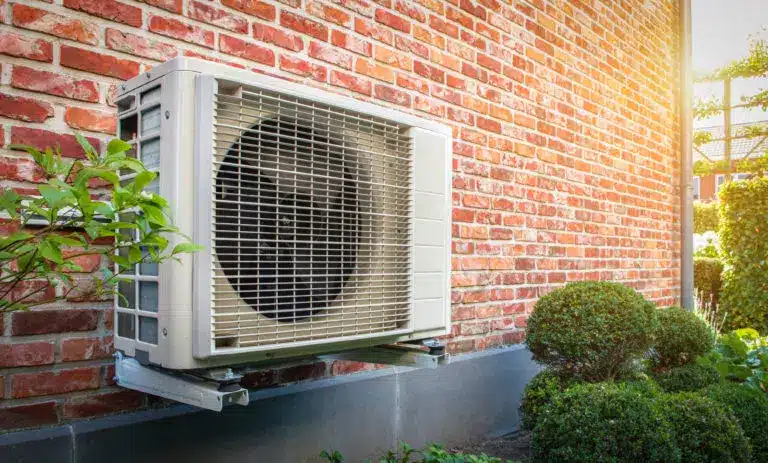
- Air conditioning servicing extending equipment life by 5 to 7 years and reducing energy costs by 15 to 25 percent
- Plumbing checks identifying corrosion, blockages, and leaks before they cause flooding
- Electrical system inspections preventing fires, shorts, and dangerous failures
- Roof and gutter maintenance stopping water infiltration that damages ceilings and walls
- Pest control preventing termites, rodents, and insects that compromise structures
Each of these services costs relatively little when performed regularly. Waterproofing inspection and minor resealing runs $300 to $600. Air conditioning servicing costs $80 to $150 per unit. Plumbing checks range from $150 to $300. The emergency repairs these services prevent cost exponentially more, yet property owners routinely gamble that problems won’t develop on their watch.
The Industry’s Dirty Secret
Here’s what maintenance companies rarely advertise: they make significantly higher profits from emergency repairs than from routine maintenance contracts. A service call for a burst pipe during off-hours generates $500 to $800 in revenue with minimal competition. A scheduled maintenance visit generates $150 to $200 in highly competitive markets.
This economic reality explains why many building maintenance contractors don’t actively promote preventative programmes. The short-term profit incentive favours reactive service. Only companies focused on long-term client relationships genuinely push prevention, and they represent a minority of the market.
“The whole industry is structured wrong,” argues a property maintenance professional who left a major contractor to start his own preventative-focused service. “Companies that do the best work make the least money because their clients don’t have emergencies. It’s backwards, but that’s the reality.”
Building a Preventative Maintenance Programme
Property owners serious about cost control need systematic approaches, not sporadic responses to visible problems. A proper preventative programme operates on schedules determined by equipment manufacturer recommendations, building age, environmental conditions, and usage patterns.
Essential components include:
- Quarterly visual inspections of all major systems and structural elements
- Annual professional servicing of air conditioning, plumbing, and electrical systems
- Bi-annual deep cleaning and inspection of gutters, drains, and exterior surfaces
- Every three to five years, comprehensive assessment of waterproofing, painting, and sealants
- Immediate response protocols for minor issues before they escalate
The cost of this programme for a typical three-bedroom flat runs approximately $1,200 to $1,800 annually. Compare this to the average $3,500 to $6,000 property owners spend reactively, and the savings become obvious.
The Documentation Advantage
Beyond cost savings, systematic maintenance services provide documentation proving proper care. This matters during property sales, insurance claims, and warranty disputes. Properties with documented maintenance histories command premium prices because buyers recognise reduced risk.
“We had a client whose air conditioning failed after eight years,” recounts a maintenance contractor. “The manufacturer initially refused warranty coverage, claiming lack of maintenance. We provided our service records showing annual cleaning and inspections. They covered the replacement. Without those records, the client would have paid $4,000 out of pocket.”
The Bottom Line
The evidence against reactive property maintenance is overwhelming. It costs more, causes more disruption, creates more stress, and leaves property owners vulnerable to catastrophic failures at the worst possible times. Yet the industry structure and human psychology conspire to maintain status quo.
Breaking this pattern requires property owners to recognise that routine care isn’t optional expense but essential investment. It demands viewing property maintenance services not as cost centres but as protection against far larger costs that wait patiently for neglect to create opportunities for expensive intervention.





Comments