
 By
By 
A kitchen that never seems to have enough storage. A bathroom that feels cramped and is hard to keep dry. Old, outdated finishes. Rooms that no longer match your lifestyle. All of these can be addressed in a remodel. When you live in Fort Lauderdale, you also have to consider the local climate. How will the high humidity, the sunshine, and the storm season affect the materials you choose?
The best remodeling projects are planned long before the cabinets are ordered. First, decide what problems you need to fix and what solutions you want to explore. Then, figure out where your money will go the furthest.
What Do You Really Want to Change?
It’s easy to get distracted by beautiful pictures. It’s more helpful to think about the actual problems you want to solve. Walk through your house at different times of day and write down what’s annoying you. Does the kitchen feel too small? Does the bathroom lack counter space or storage? Are the floors in poor condition? Do you need better lighting in certain rooms? Do you need more bedrooms?
Making a list of things you don’t like is a good way to separate the problems that need to be solved from the ones that would just be nice to fix. This also helps you focus on the most important problems so that you know where to put your money.
Skip This if You’re Only Changing the Surface
New countertops and tile can look great, but if the house underneath has issues, those finishes won’t last. Plumbing, electrical, structural, and drainage concerns should be resolved first. Older homes often have hidden problems that might not show up until the project is already underway. It’s always a good idea to leave some money in your budget for unexpected problems.
Don’t worry about this if you’re only painting or replacing fixtures and trim. If you’re doing a kitchen or bathroom remodel, though, this is something you should budget for.
Choose Materials for the Climate
Fort Lauderdale’s weather can be tough on building materials. High humidity and salt air can cause materials to deteriorate faster. If you’re remodeling a bathroom, you’ll want materials that resist mold and mildew. Porcelain tile and engineered stone work well in areas that will be exposed to water. Wood flooring can work, but it will need to be properly sealed; Gaven Constructions’ page on remodeling in Fort Lauderdale covers that local route.
In other rooms, you’ll need to consider the effects of UV rays. Windows can lose their effectiveness if they aren’t updated. Look at the condition of your exterior doors and windows – the IEA explains the why of it at www.iea.org/energy-system. Do they have good insulation? Are they energy efficient? If you live near the ocean, you’ll also want to choose materials that resist corrosion, like stainless steel or brass.
A material might look beautiful in the showroom, but you’ll want to consider whether it will be easy to clean and maintain.
Does the New Layout Flow?
If you’re going to change the layout of your kitchen or bathroom, you’ll want to consider the flow of traffic. Will the new layout allow you to move between tasks easily? Will there be enough space for everyone in the house to get around?
Make Long-Term Choices for Busy Rooms
An open floor plan is great for entertaining, but you’ll need to think about how you’ll separate the rooms if you want to host a party. If you live with a large family, you may want to consider leaving a wall up to block off noise.
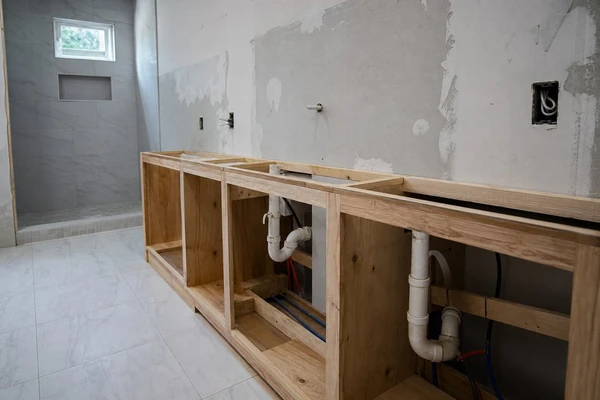
Kitchens and bathrooms are the two rooms in your house where you’ll need to make the most decisions. A good rule of thumb is to focus on the basics. Here’s a checklist to help you prioritize:
- Traffic flow and clearance
- Lighting
- Outlets
- Storage
- Cleanability
- Replaceable parts
Focus on the basics first, then choose decorative elements that fit within the budget you have left.
In a condo or if you’re part of an association, make sure to find out about the renovation rules. Many have guidelines about when work can be done, whether contractors need to carry insurance, or what must be approved before plumbing modifications. This can impact your timeline and costs.
Get the Timeline and Disruption Straight
Depending on the size of the project, you may need to apply for a permit before you can begin. Most structural changes, additions, and electrical work require permits. You’ll also need to schedule an inspection once the project is complete. If your project involves adding a room or changing the layout, you’ll need to consider the cost of hiring an architect.
Be sure to set aside enough time for the permit application process, material delivery, demolition, construction, and final cleanup.
Remodeling a kitchen or bathroom will mean living without those rooms for at least a few days. You’ll need to make plans for how you’ll prepare meals and get ready for bed during this time. If you’re remodeling a kitchen, you’ll want to find a space where you can set up a microwave, a coffee maker, and a toaster oven. If you’re remodeling a bathroom, you’ll need to figure out which bathroom your family will use while the work is being done.
Once you’ve decided on the scope of the project, you’ll need to choose materials, select fixtures, and choose colors. You’ll also need to hire the contractors who will be doing the work. Keep all of these decisions in a single place so you don’t forget any details. Before you allow the contractors to begin, do a walk-through of the space and take notes on everything that you need to do.









Comments