
 By
By 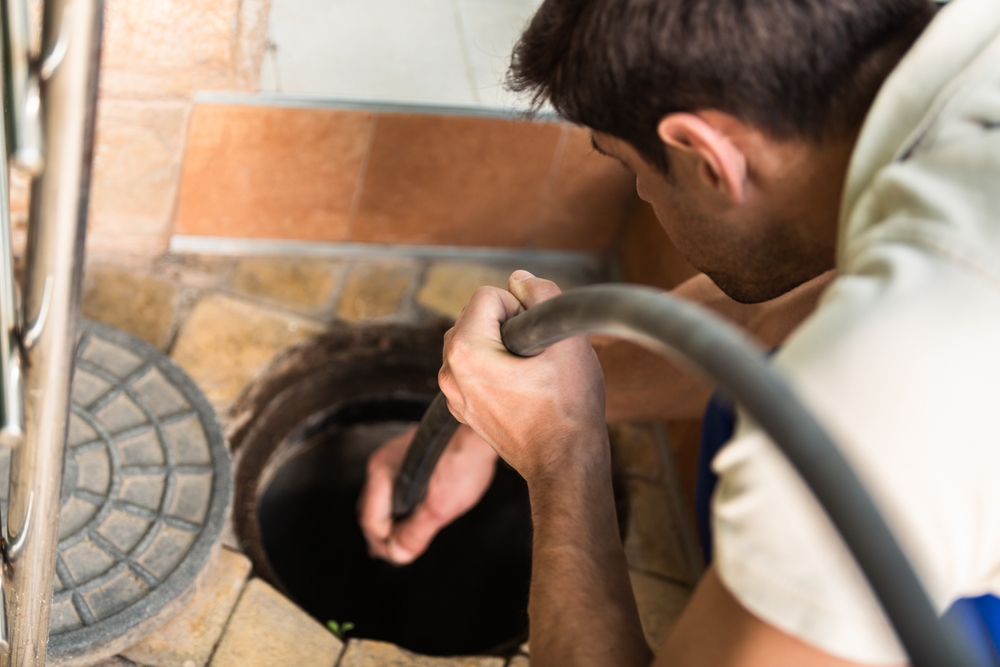
A slow-draining sink or a toilet that threatens to overflow never happens at a convenient time. For Montreal and Laval homeowners and property managers, drain problems are more than a nuisance, they can balloon into costly disasters. The real secret to keeping pipes clear all year? Modern techniques like hydro-jetting, which go far beyond traditional snaking or chemical cleaning.
Why Drain Cleaning Matters: Common Challenges and Risks
Ignoring your drains is a surefire path to headaches down the road. Hair, grease, food scraps, tree roots, and even mineral buildup can wreak havoc deep in your plumbing.
Typical Causes of Drain Blockages
Daily routines create the perfect storm for clogs. Bathroom drains collect hair and soap residue, while kitchens suffer from grease, coffee grounds, and bits of food. In older neighborhoods, tree roots are notorious for wriggling into aging pipes, causing stubborn blockages that standard plungers cannot touch.
Consequences of Neglected Drain Maintenance
When a clog forms, water backs up and pressure builds. This can lead to foul odors, slow drainage, and eventually, burst pipes or sewage spills. Emergency fixes in these situations are always pricier than preventive care, not to mention far more disruptive.
Traditional Drain Cleaning Methods: Pros and Cons
Tools like plungers and manual drain snakes help with minor clogs, but they often leave residue behind. Chemical cleaners might promise a quick fix, but they can corrode pipes, harm the environment, and fail against deep or recurring blockages.
Understanding Hydro-Jetting: What Is It and How Does It Work?
Hydro-jetting feels like power-washing for your pipes. It’s a technique that harnesses the force of highly pressurized water to blast away years of debris, grease, and even invasive roots.
The Science Behind Hydro-Jetting
A specialized nozzle, attached to a hose and industrial-grade pump, is inserted into the drain. Water, sometimes at pressures over 3,000 psi, scours the pipe walls clean. This not only clears existing clogs but also removes the gunk that causes future blockages.
Equipment and Technology Used
Professional hydro-jetting units include various nozzles designed to handle everything from greasy restaurant lines to root-filled sewer pipes. Operators often pair this method with HD camera inspections to pinpoint trouble areas before and after the job.
Safety and Environmental Considerations
Unlike chemical cleaners, hydro-jetting uses nothing but water. This makes it environmentally safe for your property and the city’s wastewater systems. Plus, when done by trained technicians, there is no risk to your pipes.
Hydro-Jetting vs. Traditional Drain Cleaning Methods
How does hydro-jetting compare to the old standards? Consider these factors:
| Method | Effectiveness | Speed | Pipe Wear | Typical Cost (residential) |
|——————–|———————–|—————–|————-|—————————|
| Manual Snaking | Surface clogs only | Fast | Minimal | $100 – $200 |
| Chemical Cleaners | Temporary, corrosive | Fast | High | $15 – $40 (retail) |
| Hydro-Jetting | Deep, total cleaning | Very fast | None | $300 – $600 |
Effectiveness on Different Types of Clogs
Hydro-jetting excels at removing grease, sludge, and roots. Manual snaking may punch a hole for water to flow but often leaves residue behind, which leads to rapid re-clogging.
Speed and Convenience: Time Saved
A single hydro-jetting session can clear years of buildup in under an hour, minimizing downtime for homes and businesses.
Impact on Pipe Longevity and Maintenance Needs
Because it’s non-abrasive and leaves the pipes spotless, hydro-jetting can actually extend the lifespan of your plumbing.
Cost Comparison and Value Over Time
While the upfront cost is higher, homeowners who use hydro-jetting typically need less frequent service, saving money in the long run.
Real-World Applications: When Should You Choose Hydro-Jetting?
When is hydro-jetting the right call? It shines in several situations:
– Emergency Clog Removal: For tough blockages that resist snaking or return quickly.
– Routine Preventive Maintenance: Annual or bi-annual hydro-jetting keeps pipes clear, reducing the risk of surprise backups.
– Commercial vs. Residential Use Cases: Restaurants and multi-unit buildings benefit most, but single-family homes see real value too.
The Role of HD Camera Inspections in Drain Cleaning
Identifying a blockage is only half the battle. HD camera inspections let technicians see exactly where and what the problem is, roots, cracks, collapsed lines, or buildup. This precision ensures that hydro-jetting is targeted and effective.
Detecting Hidden Damage and Blockages Early
Cameras can reveal hidden damage, letting you address issues before they escalate into emergencies.
Preventive Maintenance Plans: Combining Hydro-Jetting and Inspections
Proactive maintenance is the best defense against drain disasters.
Benefits of Scheduled Drain Care
Regular hydro-jetting paired with annual camera inspections catches issues early and prevents major clogs.
Customizing Maintenance to Your Property’s Needs
Some homes need yearly service, while commercial kitchens may require more frequent attention. Providers like Flow Pro Drain offer customizable plans so you can schedule care that fits your property and budget.
Choosing the Right Service Provider: What Matters?
Not all drain services are equal. Look for providers who are licensed, insured, and locally experienced. Transparent, upfront pricing avoids surprises, while 24/7 emergency availability means help is always a call away.
Summary: How Hydro-Jetting Saves Time and Hassle
Hydro-jetting is much more than a quick fix, it’s a powerful, preventive tool for homeowners and property managers who want drains that simply work. Combining modern technology and professional expertise, it clears the toughest blockages, protects your pipes, and keeps emergencies at bay. When selecting a provider, prioritize qualifications, transparency, and the ability to offer both emergency and routine care. In the end, a little proactive attention today means far fewer headaches tomorrow.




Comments