
 By
By 
Tucson is one of the most scorpion-dense cities in the United States. That’s not an exaggeration. The Sonoran Desert ecosystem that surrounds and runs through the metro area is prime habitat for the bark scorpion – and if you’ve lived here long enough, you’ve probably had at least one unwelcome encounter. Swift Pest Solutions has spent years helping Tucson homeowners understand and deal with this reality, and the first step is knowing what you’re actually up against.
The Bark Scorpion: What Makes It Different
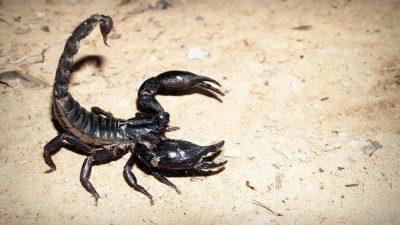
Not all scorpions are created equal. Arizona has around 30 scorpion species, but only one – the Arizona bark scorpion (Centruroides sculpturatus) – poses a genuine medical threat. It’s also the most common species found inside homes.
What sets the bark scorpion apart from its cousins isn’t just its venom. It’s behavior. Unlike most scorpions that burrow underground, bark scorpions are climbers. They move along vertical surfaces, squeeze through gaps as thin as a credit card, and can even cling upside down to tree bark, rock faces, and – yes – the underside of your patio furniture. That climbing behavior is a big part of why they end up inside homes in the first place.
They’re also social by scorpion standards. During cooler months, groups of bark scorpions will shelter together in cracks, under bark, inside wall voids, and beneath cardboard or debris piles. Find one, and there are likely more nearby.
When Are Scorpions Most Active in Southern Arizona?
The short answer: late spring through early fall, with peak activity from May through September.
Scorpions are ectotherms, meaning their activity is tied directly to ambient temperature. As the desert heats up in April and May, they begin emerging from their winter hiding spots. By June and July, activity is at its highest. This tracks with when Swift Pest receives the most service calls related to scorpions – and it’s not a coincidence that monsoon season overlaps with peak scorpion activity. Rainfall drives their insect prey into new areas, and scorpions follow.
A few specifics worth knowing:
- Night is their primary hunting window. Bark scorpions are nocturnal. They spend daylight hours hidden and become active after dark, which is why most sting incidents happen at night – stepping out of bed, reaching into a shoe left on the floor, or grabbing a towel off a bathroom hook.
- Temperature thresholds matter. Activity slows noticeably once nighttime temperatures drop consistently below 60°F, which in Tucson typically means November through February. But “slow” doesn’t mean “gone.” Bark scorpions remain alive and capable of stinging year-round.
- New construction areas see higher pressure. Grading and excavation displace scorpion populations, pushing them toward established residential neighborhoods nearby. If your neighborhood has seen development in the past few years, that’s relevant context.
How Scorpions Get Into Your Home
This is where understanding the pest pays off. Scorpions don’t chew through walls. They exploit existing vulnerabilities – and most homes have more of them than homeowners realize.
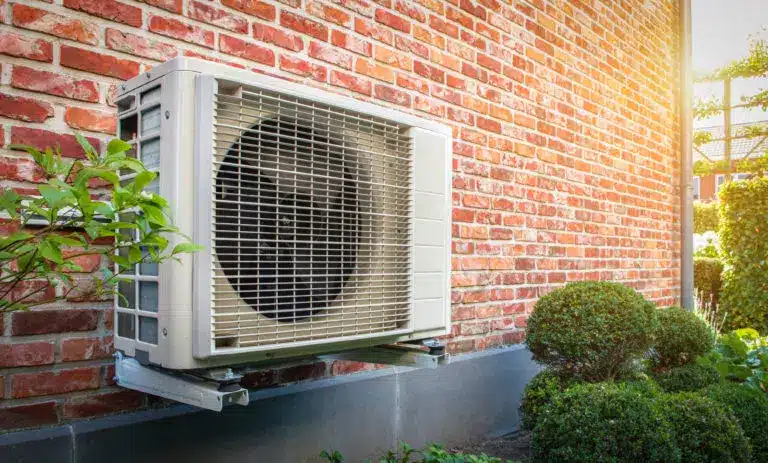
Gaps around utility penetrations are among the most common entry points. Plumbing, electrical conduit, and HVAC lines all pass through exterior walls, and the gaps around them are frequently larger than they appear from the outside.
Door sweeps and weatherstripping wear down over time. A gap of 1/16 of an inch at the base of a door is enough for a bark scorpion to pass through.
Weep holes in brick veneer are intentional features of masonry construction, but they’re open channels directly into the wall cavity. There are screened weep hole covers designed specifically for this, and they make a meaningful difference.
Window frames and sliding door tracks develop small gaps as homes settle, particularly in older builds. Scorpions also enter through windows left open without tight-fitting screens.
Attached garages are one of the most overlooked access points. The door between the garage and living space is often poorly sealed, and garages themselves tend to collect the cardboard, clutter, and moisture that scorpions find attractive.
Firewood, potted plants, and outdoor furniture stored against the exterior of the home create harborage areas right next to your walls. Scorpions don’t have far to travel from there.
How Swift Pest’s Exterior Barrier Treatments Work
The core of Swift Pest Solutions’ approach to scorpion control is perimeter-focused. Rather than treating the inside of a home as the primary battleground, the goal is to prevent entry in the first place – and to reduce scorpion populations in the yard before they become an indoor problem.
Barrier treatments are applied along the base of exterior walls, around the foundation, in landscaping beds adjacent to the structure, and around common harborage areas like wood piles and rock features. The products used are selected based on their residual activity and their effectiveness specifically against scorpions, which are notoriously more resistant to certain pesticide classes than insects are.
Scorpion treatments aren’t a one-time fix. Regular service intervals – typically quarterly for most Tucson homes – are necessary to maintain an effective barrier, especially given the monsoon season’s tendency to degrade exterior applications. Swift backs this up with a return policy: if scorpions reappear between scheduled services, they’ll come back at no additional cost.
UV light inspection is another tool worth mentioning. Scorpions fluoresce brightly under blacklight, which allows for targeted identification of high-activity zones during nighttime inspections. This isn’t just a parlor trick; it informs where treatment and exclusion efforts should be concentrated.
What You Can Do Between Services
Professional treatment handles the heavy lifting, but there are practical steps homeowners can take that genuinely move the needle.
Check weatherstripping and door sweeps annually, particularly on garage doors. Install weep hole covers on any brick veneer. Keep firewood stored away from the house and elevated off the ground. Move outdoor furniture, potted plants, and stored materials a few feet from the exterior walls. Shake out shoes left near entryways. Keep indoor clutter managed, especially in closets, laundry rooms, and garages.
None of these measures eliminate scorpions entirely – the desert isn’t going anywhere – but they reduce the conditions that make your home attractive and accessible.
Getting Ahead of Scorpion Season
The best time to establish a treatment plan is before activity peaks, ideally in late winter or early spring. Waiting until you find one in the house isn’t a crisis, but it means you’ve already lost some ground. A proactive barrier established in March or April is working by the time May rolls around and scorpions become fully active.
If you’re already dealing with an active problem, Swift Pest can assess the extent of the infestation and start reducing pressure immediately. The process takes a few treatment cycles to fully stabilize, but significant improvement typically happens quickly.
Scorpions are a reality of life in Tucson. How much of a problem they become inside your home largely comes down to how well you’ve protected the exterior. Contact Swift Pest Solutions to schedule a consultation and put a plan in place before the season ramps up.





Comments